What to Expect After Donating Plasma: Essential Insights
Key Takeaways
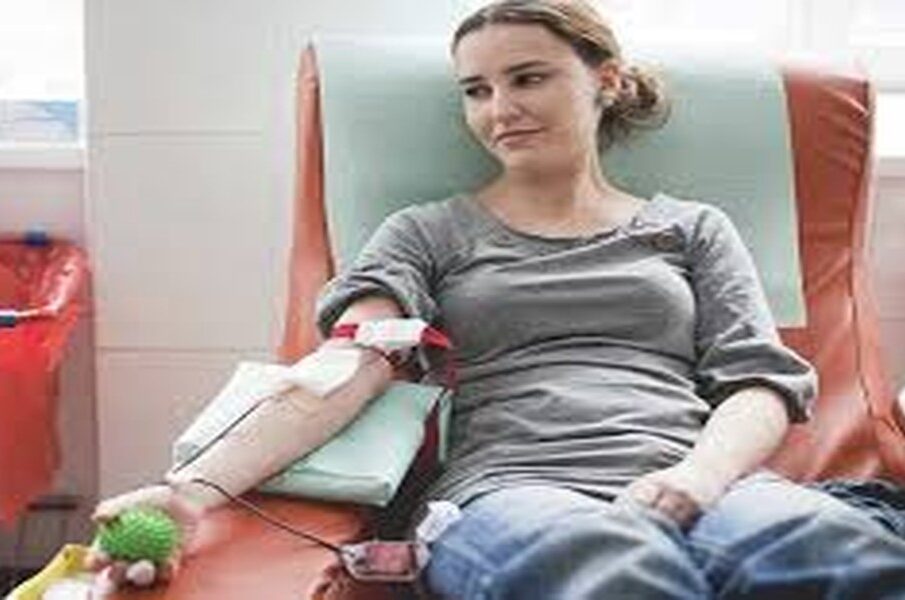
What to expect after donating plasma it normal to feel a bit lightheaded and tired. This happens because your blood volume temporarily decreases.
You may experience fatigue, chills, or weakness afterward; these are signs your body is saying it needs to recover and hydrate.
Staying hydrated is key after plasma donation. If you don’t drink enough fluids, dizziness can creep in, so aim for at least 8-10 glasses of water that day.
Remember to rest and steer clear of heavy workouts for at least 24 hours. This helps your body recover and build back its reserves.
It’s also wise to watch out for symptoms like severe headaches or ongoing dizziness. If these occur, getting a professional opinion is a good idea.
Eating foods rich in protein and iron after your donation helps the healing process and supports red blood cell production.
Typically, recovery takes a bit longer from plasma donation compared to regular blood donation, thanks to the higher fluid loss involved-so, be patient and kind to yourself.
How Will I Feel Immediately After Plasma Donation?
Your Body’s Initial Response
Jumping into plasma donation might feel like a leap of faith. As soon as you donate, you could feel a wave of lightheadedness or, on the flip side, an eagerness to get back to your busy life. The reality is, your body’s adapting to that temporary dip in blood volume. Plasma, which is mainly water, plays a vital role in keeping everything balanced. It’s not just about losing fluid; your body’s working hard to regain stability.
Common Sensations: What to Anticipate
Get ready for a mix of sensations after you donate. You might feel a bit fatigued, maybe even slightly weak. It’s your body softly saying, “I need some tender loving care.” Some people report feeling cold or shivery-this just means your body’s adjusting to the sudden plasma drop. These feelings are usually temporary, but knowing what to expect can help you prepare.
- Fatigue – This can surprise many people.
- Lightheadedness – A common side effect of having less blood volume.
- Chilliness – It might be uncomfortable, but it’s totally normal.
Panic or Pain? Myths vs. Reality
Don’t let fear run the show. There are lots of myths about the pain associated with plasma donation. The needle prick? It’s not as bad as you think. And really, the aftermath usually involves just minor inconveniences. Panic often arises when we start overanalyzing our body’s reactions. Just remind yourself that this process is temporary, and the positive impact you have on others is worth any mild discomfort.
“The mind often convinces us of pain that the body doesn’t actually feel.”
What Are the Side Effects to Watch For?
Fatigue: The Hidden Cost of Donation
Let’s be honest-donating plasma can drain you. You might feel pretty sluggish for a few hours afterward, and honestly, that’s perfectly normal. Many brush off this fatigue as laziness, but it goes much deeper. With plasma donation, you lose more than just fluid; your body needs time to regenerate cells. That’s a must-do part of the process.
- Listen to your body – If you’re feeling spent, acknowledge it.
- Take breaks – Avoid jumping straight into intense activities.
- Prioritize sleep – It’s vital for recovery.
Hydration Matters: Avoiding Dizziness
Hydration isn’t just a nice thought; it’s absolutely essential after donating plasma. If you’re feeling dizzy, it’s likely due to insufficient fluid intake afterward. Water is crucial-like, it’s the linchpin that keeps things running smoothly. Your fluid levels drop after donation, and if you don’t replenish, you might end up feeling lightheaded. Aim for 8-10 glasses of water, or even more, on the day of your donation.
- Water First – Always hydrate before and after your donation.
- Electrolytes – Consider having sports drinks for an extra boost.
- Avoid caffeine – It might worsen any dizziness you feel.
When Should You Worry? Key Warning Signs
What should raise your eyebrows? Pay close attention. If you experience severe headaches, lasting dizziness, or odd bruising, consult a healthcare professional. Interestingly, most side effects tend to be manageable and temporary. But don’t disregard what your body’s telling you. Those cues are there for a reason, so listen carefully.
“Your body is the best alarm system. Trust it.”
How to Fast-Track Your Recovery Post-Donation
Nutritional Powerhouses for Healing
Your post-donation diet matters-a lot. Think about it: your body’s like a high-performance machine. You wouldn’t fuel a Ferrari with cheap gas, right? After donating plasma, focus on rich nutrition. Protein-packed options like chicken and legumes are essential for recovery. And don’t forget iron sources like spinach and red meat, which should also fill your plate. It’s all about refueling and rebuilding.
- Protein – Key for cell repair.
- Iron-rich foods – Crucial for producing new red blood cells.
- Complex carbs – They help maintain stable energy levels.
Rest and Recuperation: Best Practices
Let’s face it, you’re not invincible. After you give plasma, your body craves downtime. Sure, napping might sound a bit childish, but it’s what your body truly needs. Rest isn’t just pointless downtime; it’s an essential part of your recovery. Whether you choose to binge your favorite series or take a casual stroll, don’t feel bad about it. Your body is asking for this.
Avoiding Common Mistakes After Donation
What should you be wary of? Skipping meals, jumping back into intense workouts, and ignoring hydration are classic mistakes. Treat your body with care in the days following your donation. Missteps can slow your recovery and lead to unnecessary discomfort. Trust me, underestimating how hard your body works to bounce back isn’t wise.
- Avoid strenuous activities for at least 24 hours.
- Don’t skip meals even if you’re not feeling hungry.
- Limit alcohol until you’re back to normal.
Can Plasma Donation Affect Your Daily Routine?
Exercise: What’s Safe and What’s Not
Here’s the bottom line: be cautious when it comes to physical activity after donating. Don’t dive into heavy exercises too soon; you might end up feeling worse than before. It’s best to listen to your body. Light walking or gentle yoga could be fine a day or two after donation, but leave the heavy lifting for later. Your muscles will only drain the reserves your body is trying to rebuild.
Work and Social Life: Timing Your Return
Jumping back into work or social outings prematurely can lead to awkward situations, like faceplanting in an important meeting. Many people find that waiting 24-48 hours post-donation is ideal. By that time, you’ll likely be free of most fatigue. Before you make any plans, check in with your energy levels. If you’re feeling off, don’t hesitate to say “no” and take some time off. You absolutely deserve it.
- Assess your fatigue before rejoining a packed schedule.
- Postpone social plans if you’re not feeling quite right.
- Communicate your needs with your employer.
Plasma vs. Blood Donation: Recovery Comparisons
How do plasma and blood donation compare? Recovery from plasma tends to take a bit longer due to the fluid loss involved. Blood donation often results in quicker recovery. Why is that? Plasma is mostly water, while red blood cells tend to replenish at a faster rate. So, if you’re anxiously waiting to feel like yourself again, remember that plasma donations often require a touch more patience. It’s all part of the process.
“Comparing recovery is like comparing apples to oranges; both are vital, but they function on different timelines.”
FAQ
How often can you donate plasma safely?
Typically, you can donate plasma every 28 days. However, if you’re a regular, spacing them out is really important. Trust your body-it knows when it’s ready for the next round.
Is there a maximum amount of plasma I can donate at once?
Yes, indeed. The standard amount is around 800-900 milliliters per session. But don’t push the limits; it’s critical to follow facility guidelines and pay attention to your body’s signals. You’re not invincible, after all.
What should I bring with me when I go to donate plasma?
Don’t forget to bring a valid ID and any required donor cards. A water bottle is also a great idea to keep hydrated-trust me, it makes a difference. And make sure to pack some snacks for after your donation; your body will thank you.
What if I feel faint during or after donating plasma?
If you start feeling faint, tell the staff right away. They’re trained to help with these situations. Lying down and sipping some extra water usually does the trick. Just listen to your instincts, okay?
Can donating plasma affect my medication schedule?
It could. Some medications impact your eligibility to donate, so it’s always a good idea to consult with a healthcare professional. I learned the hard way not to ask beforehand-don’t make that mistake. It’s better to be safe.
Are there dietary restrictions before donating plasma?
Ideally, don’t enter the donation center on an empty stomach. Eat something healthy a few hours beforehand, focus on hydration, and try to avoid fatty foods. I always make sure to pack a protein bar; it’s turned into a bit of a ritual for me.
What’s the deal with aftercare? Do I need to take any specific steps?
Aftercare is super important. Make sure to pamper yourself with rest, hydration, and a balanced diet rich in iron and protein. I can’t emphasize enough how avoiding alcohol after donation speeds up recovery-it’s a theory I’ve definitely put to the test!
Can I donate plasma if I’m feeling sick?
In short, no. If you’re feeling under the weather, it’s best to skip the donation. You don’t want to worsen your situation or put others at risk. Take care of yourself first; plasma donations will still be there when you’re back on your feet.
Useful Resources
- American Red Cross– Find information on blood and plasma donation, along with safety guidelines and health resources.
- Blood Center– Check out educational material and resources on blood donation and recovery processes.
- AABB (American Association of Blood Banks)– Offers guidelines and educational resources related to blood and plasma donation.
- Centers for Disease Control and Prevention (CDC)– Get public health insights, including info on donation and health guidelines.
- World Health Organization (WHO)– Learn about global health standards and guidelines for blood donation and safety.
- Mayo Clinic– Explore health resources and articles on recovery and nutrition post-donation.
- WebMD– Access trusted health information, including articles on the effects of blood and plasma donation.
- Healthline– Read educational articles on nutrition, recovery, and health advice after donation.
- National Heart, Lung, and Blood Institute– Check out resources on blood health and the impacts of donation.