How Sports Rolfing Boosts Performance and Flexibility for Athletes
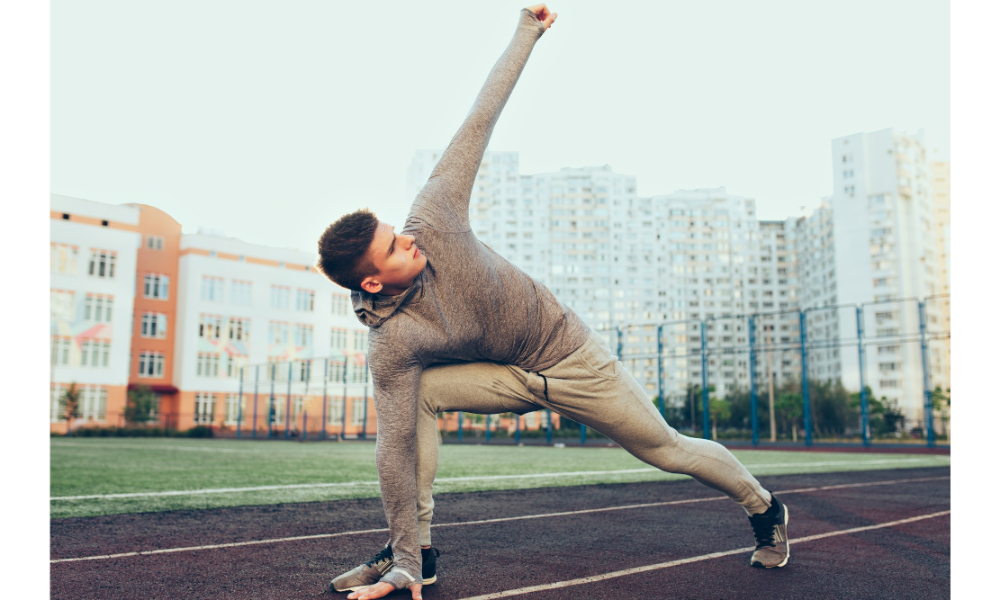
In the world of athletics, achieving peak performance requires more than rigorous training and proper nutrition—it demands a body that is well-aligned, balanced, and flexible. This is where sports rolfing comes into play. A specialized form of structural bodywork, sports rolfing focuses on releasing chronic tension, improving posture, and enhancing overall movement efficiency. For athletes seeking to maximize their potential, it offers a holistic approach that complements traditional training methods.
1. Enhancing Flexibility and Range of Motion
One of the most immediate benefits of sports rolfing is increased flexibility. Over time, repetitive movements, intense training, and even poor posture can lead to tight muscles and restricted joints. Sports rolfing targets deep connective tissue and fascia—the fibrous network that surrounds muscles and organs—helping to release tension and restore mobility.
By lengthening and realigning these tissues, athletes can achieve a greater range of motion, which not only improves performance in their specific sport but also reduces the risk of injury during dynamic movements.
2. Improving Muscle Balance and Posture
Sports rolfing addresses imbalances in the body caused by uneven training, previous injuries, or habitual postures. Misaligned muscles and joints can create inefficient movement patterns, causing some muscles to overwork while others remain underutilized.
Through targeted sessions, sports rolfing helps redistribute tension and align the body’s structure, promoting balanced muscle engagement.
3. Reducing Risk of Injury
Athletic performance is closely tied to injury prevention. Tight fascia, chronic tension, and poor alignment increase the likelihood of strains, sprains, and overuse injuries. Sports rolfing works to release these restrictions, creating a more resilient body capable of handling intense physical demands.
By addressing underlying structural issues before they escalate into injuries, athletes can maintain consistent training schedules and achieve long-term performance improvements without the setbacks that come with physical strain.
4. Enhancing Recovery and Performance
Beyond flexibility and alignment, sports rolfing also aids recovery. By improving circulation and reducing muscular tension, it helps flush metabolic waste from tissues, alleviating soreness and fatigue. Athletes often report feeling lighter, more energized, and ready for training after sessions.
When incorporated into a regular regimen, sports rolfing complements other recovery strategies like stretching, foam rolling, and physiotherapy, creating a comprehensive approach to body maintenance.
5. Mental Focus and Body Awareness
Sports rolfing is not just physical; it also enhances proprioception—the awareness of body positioning and movement. Increased body awareness allows athletes to make subtle adjustments during performance, improving efficiency, balance, and technique.
This heightened connection between mind and body can lead to better coordination, faster reaction times, and more precise execution of complex movements.
Conclusion
Sports rolfing is a powerful tool for athletes seeking to enhance flexibility, balance, and overall performance. By releasing tension, improving posture, and supporting efficient movement, it reduces injury risks and accelerates recovery. Integrating sports rolfing into a training program allows athletes to perform at their best, maintain longevity in their sport, and develop a stronger, more resilient body. For anyone serious about peak performance, sports rolfing offers a holistic, science-backed approach to achieving their athletic goals.