
Recognising and Managing Mental Health Disorders in Children and Adolescents
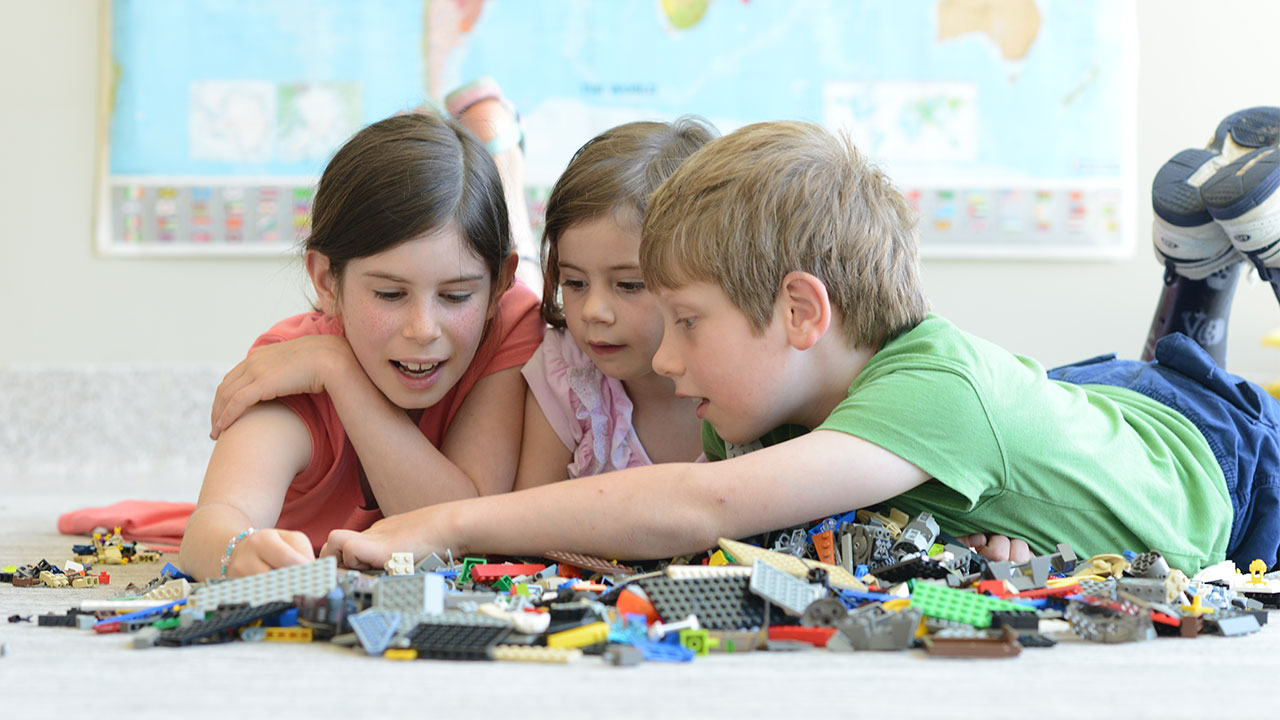
Children and adolescents face increasing academic, digital, social, and familial pressures that can affect their emotional well-being. While it is normal for young people to go through ups and downs, persistent struggles with mood, behaviour, or focus may point to an underlying mental health concern that needs attention, understanding, and timely support.
Recognising the early signs and knowing how to manage them can make a meaningful difference in a child’s future.
Early Signs: What Should Parents Look Out For?
Children and teenagers often struggle to express their feelings clearly. Mental health disorders don’t always look the same across age groups, and symptoms may be mistaken for growing pains or moodiness. However, some early warning signs* include:
- Changes in sleep, eating, schoolwork, or daily interest
- Ongoing sadness, irritability, or mood swings
- Pulling away from friends, family, or hobbies
- Trouble focusing, remembering, or making choices
- Avoiding noise, bright lights, or crowded places
- Unusual fears, nervousness, or strange behaviour
If these behaviours last for several weeks and interfere with daily life, it’s time to seek help.
Common Mental Health Disorders in Young People
Mental health conditions affect millions of people worldwide,* with anxiety and depression being the most common. Since 2020, there has been a sharp rise in childhood anxiety and depression, making early recognition more important than ever.
Some of the most common disorders include:*
- Anxiety Disorders
According to WHO,* 23 million children and adolescents were living with depression in 2019.
Children with anxiety may worry excessively, avoid social situations, or fear separation from their parents. These worries can interfere with daily life. Therapy, and in some cases medication, can help manage symptoms and support emotional regulation.
- Depression
More than just sadness, depression in children involves a persistently low mood, fatigue, and a lack of interest in activities. It may also affect sleep, appetite, and school performance. Early support through therapy or medical guidance can lead to recovery.
- Bipolar Disorder
Bipolar disorder causes intense mood swings between deep lows (depression) and emotional highs (mania). Children may act impulsively or display unusually high energy levels. Structured care, including therapy and medication, helps stabilise mood over time.
- Post-Traumatic Stress Disorder (PTSD)
PTSD may develop after a traumatic event, causing nightmares, flashbacks, or emotional numbness. Children may avoid reminders of the trauma. Early psychological intervention is key to helping them feel safe and supported again.
- Schizophrenia
A rare but serious condition, schizophrenia causes hallucinations, delusions, or disorganised thinking. It often disrupts learning and social interaction. Treatment includes therapy, medication, and family support to help manage daily functioning.
- Eating Disorders
Eating disorders involve an extreme focus on body weight and food. Children may restrict eating or engage in harmful habits like purging. These disorders need prompt medical and psychological care to prevent serious health risks.
- Disruptive Behaviour Disorders
Conditions such as oppositional defiant disorder (ODD) or conduct disorder involve ongoing defiance, aggression, or rule-breaking. These behaviours impact both school and home life. Therapy, with family involvement and school support, helps children build healthier behavioural skills.
How Can Families Support Mental Health at Home?
Creating a supportive, safe, and open environment helps children express themselves freely. Here are a few practical steps:
- Listen without judgement:
Allow your child to talk about their feelings, even when they are difficult to hear.
- Maintain routines:
A predictable structure helps children feel secure and grounded.
- Limit screen time:
Especially on social media, which can contribute to anxiety and self-esteem issues.
- Encourage healthy habits:
Nutritious food, regular physical activity, and adequate sleep are essential for mental well-being.
- Model emotional regulation:
Children learn by observing how adults handle stress and disappointment.
If you notice ongoing emotional or behavioural challenges, don’t hesitate to consult a paediatric specialist. Many families start by speaking with a general physician or even a gynaecologist when raising concerns about their child’s development or behaviour. These professionals can guide you to the right mental health support if needed.
The Role of Schools and Paediatric Hospitals
Schools are often the first place where behavioural or emotional changes in children are noticed. Teachers and school counsellors can play a key role in early identification. Open communication between parents, educators, and doctors is essential.
In more complex cases, visiting a well-equipped paediatric hospital can provide detailed assessments, accurate diagnosis, and a range of therapy options. These hospitals often have child psychologists who are trained to recognise how mental health conditions can appear differently in children than in adults.
Therapies may include:
- Cognitive Behavioural Therapy (CBT): Helps children understand and manage their thoughts and behaviours.
- Play Therapy: Especially beneficial for younger children.
- Family Counselling: Focuses on family dynamics that may be impacting the child.
- Medication: Used in some cases, with careful prescription and monitoring.
The stigma around mental health must be broken. Families may feel guilt, shame, or uncertainty about seeking help. However, mental health conditions are not a sign of poor parenting or personal failure. They are medical concerns that can be treated with the right support.
Final Thoughts
By normalising conversations about mental health, we can create a safer world where children can grow, thrive, and reach their full potential. Addressing concerns early can significantly shape a child’s emotional future. If you’re a parent or guardian and feel that something is off, trust your instincts. With increasing access to healthcare, from local clinics to specialised paediatric hospitals in metro cities like Bangalore, Hyderabad, or Delhi, support is always within reach.
For instance, if you live in Bangalore, consider Apollo Cradle & Children’s Hospital. The facility is home to some of the leading gynaecologists in Electronic City, Brookefield, Jayanagar, and other parts of the city, offering expert and compassionate care for you and your child. To book an appointment with this leading paediatric hospital in Bangalore, contact them today.
Taking the first step toward understanding a child’s mental well-being can make all the difference.