Which Type of Braces Straightens Teeth the Fastest?
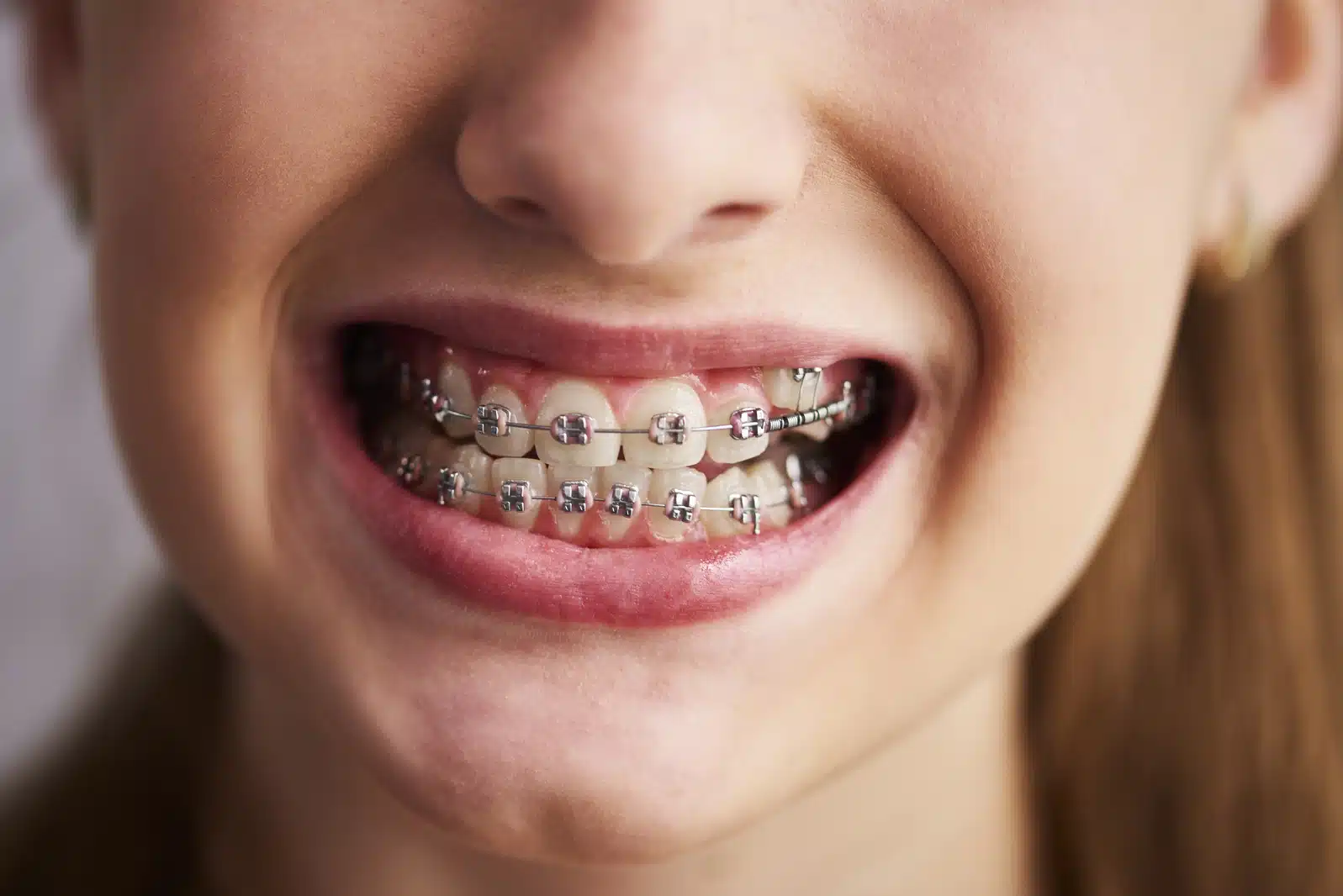
When it comes to orthodontic treatment, one of the most common questions patients ask is: “Which option works the fastest?” Everyone wants a beautiful, straight smile, but the time it takes to achieve those results can vary depending on the type of treatment you choose, the complexity of your case, and your overall dental health. Let’s break down the different types of orthodontic options and see which tends to deliver results most quickly.
Factors That Affect Treatment Speed
Before looking at the types of orthodontic solutions, it’s important to understand that no two smiles are the same. The following factors will determine how quickly your teeth can be straightened:
- Severity of misalignment – More complex cases with crowding, gaps, or bite issues take longer to correct.
- Age – Teeth move more easily in younger patients, though adults can still achieve excellent results.
- Compliance – Following your orthodontist’s instructions, such as wearing elastics or aligners consistently, plays a huge role in treatment speed.
- Oral health – Healthy teeth and gums respond better to treatment than those with untreated dental issues.
Traditional Metal Braces
Metal braces are the most widely recognized orthodontic treatment. They use brackets and wires to gradually move teeth into position. While they may not be the most discreet option, they are extremely effective, especially for complex cases.
Average treatment time: 18–24 months.
Ceramic Braces
Ceramic braces work like traditional metal ones but use tooth-colored or clear brackets, making them less noticeable. They provide the same level of effectiveness but may take slightly longer to achieve results, as orthodontists often use lighter adjustments to prevent bracket damage.
Average treatment time: 18–30 months.
Self-Ligating Braces
These braces use special clips instead of elastic bands to hold the wire in place. This allows teeth to move with less friction and often results in quicker adjustments. Self-ligating systems can shorten treatment time compared to traditional braces in certain cases.
Average treatment time: 12–24 months.
Lingual Braces
Lingual braces are attached to the back of the teeth, making them virtually invisible from the front. While they are highly discreet, they can be more challenging to adjust and may take longer to deliver results compared to standard front-facing braces.
Average treatment time: 18–36 months.
Clear Aligners
Clear aligners, such as Invisalign, are a popular choice for patients who want a nearly invisible solution. They are removable, which makes eating and cleaning easier, but they rely heavily on patient compliance. If worn 20–22 hours per day as recommended, aligners can be just as effective as braces for mild to moderate cases.
Average treatment time: 12–18 months.
Which Works the Fastest?
For most patients, self-ligating braces or clear aligners tend to deliver the quickest results—provided the case is not overly complex. However, traditional metal braces remain the most reliable choice for severe misalignments, even if treatment takes a little longer.
Final Thoughts
So, which type of treatment straightens teeth the fastest? The answer depends on your unique situation. For mild to moderate cases, clear aligners or self-ligating systems may shorten treatment time. For complex cases, traditional braces remain the most effective and dependable option.
Ultimately, the best way to determine the fastest path to a straight smile is to consult with an orthodontist, who can create a personalized plan based on your needs. No matter which option you choose, the end result—a confident, healthy smile—will be worth the wait.