The Evolution of Chai: Tea as India’s Traditional Beverage
Not many drinks are as integrated into the daily routine of Indians as chai. Chai does not just satisfy thirst; it also plays an important role in social life. Chai has undergone quite a transformation. The question arises: how did a drink that used to be exported from colonial India transform into one of the most important elements of Indian culture? The history of chai demonstrates the extent to which it has been influenced by local traditions, British culture, the availability of local spices, and Indian preferences.
The Beginnings of Chai: Before Tea Became Known to the Public
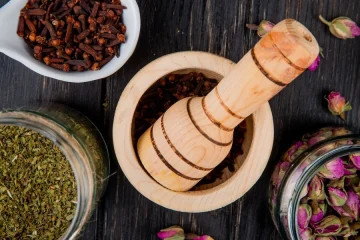
The origin of chai in India goes beyond the beginnings of tea plantations. Long before tea existed and presented itself as a mass-market beverage, Indians used various ingredients like ginger, cardamom, cinnamon, cloves, black pepper, etc., for herbal or Ayurvedic treatments.
Moreover, tea plants were known in some parts of Northeast India, including Assam, where local tribes used indigenous varieties of the plant. However, brewing tea and drinking it as a regular drink was not known in India either.
This point is very significant in the context of the tea history India has experienced: though tea existed in India, it became very popular a long time after that.
British India and the Growth of Tea Plantations
The most important changes took place in British India. Britain had created a great market for tea but relied heavily on Chinese supplies. The implementation of tea cultivation was initiated by colonial businesses in order to reduce dependency on different types of Chinese tea. The industries established large plantations to grow tea in regions such as Assam, Darjeeling, as well as other regions suitable for its cultivation. Assam became known for tea varieties that are viewed as strong, and Darjeeling is referenced as famous for high-altitude tea.
How tea was introduced to Britain?
How tea was introduced to Britain began in the 17th century, arriving as an exotic curiosity from China rather than as the everyday drink it would later become. It was first popularised among the English aristocracy, with Catherine of Braganza, the Portuguese princess who married King Charles II in 1662, often credited with making tea fashionable at the English court. Initially sold in coffee houses and prized for its rarity, tea was expensive and heavily taxed, which kept it confined to wealthy and elite circles for decades. The British East India Company played a central role in expanding this trade, importing tea in increasing quantities and gradually making it more accessible. Over the eighteenth century, as prices fell and smuggling networks (ironically) increased supply, tea moved beyond the aristocracy into middle-class homes, eventually becoming a defining feature of British culture and daily life. This same colonial trade network would later shape how tea cultivation was introduced into India – not for Indian consumption, but to feed Britain’s own growing demand.
The Evolution of Chai into Masala Chai
The evolution of chai was based on the affordability of tea, as well as local taste preferences. The addition of milk and sugar made tea much denser, while adding spices gave it flavour and warmth.
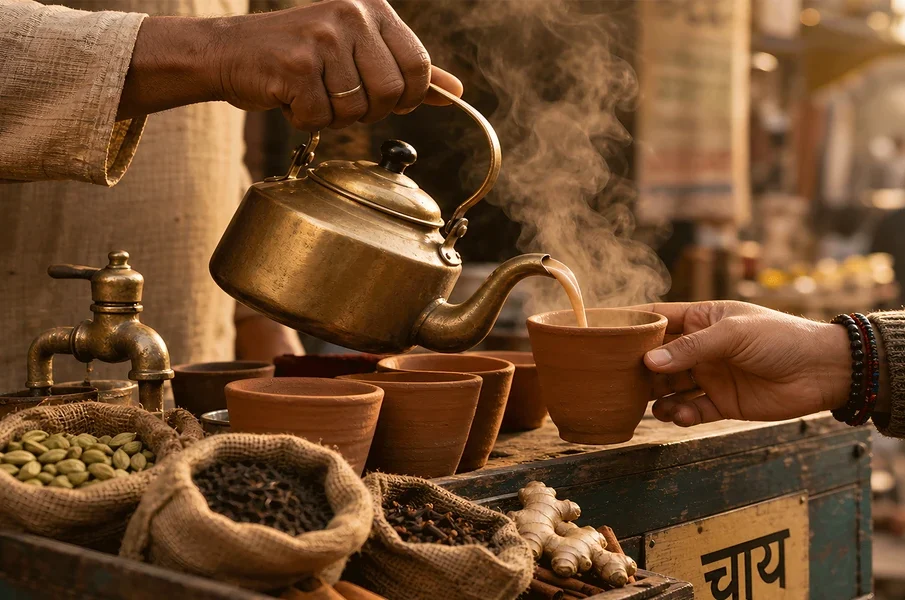
The experience of chaiwalas shows that there was a popularisation of various chai varieties. They provided affordable and convenient chai throughout different communities.
People started experimenting with varieties and preparing chai using different types of ginger and cardamom spices. They read about different types of tea leaves and what makes each chai unique to understand how spices, milk ratios, and brewing methods evolved into the distinct regional chai styles found across India today.
How Chai Became a Part of Indian Culture
The history of chai reveals another story of its own, which is based on the idea of adaptation. It became quite popular as a symbol of hospitality and everyday life in the country.
Offering tea has become a part of the custom of welcoming people at home, and many people started establishing tea stalls in rural areas.
The history of Indian tea culture is also connected to the country’s tea-growing regions, including Assam, Darjeeling, Nilgiri, and Kangra, all known for tea quality. The British India tea trade also played a role in shaping how tea developed commercially in the country. Nevertheless, modern brands such as Society Tea with a tea house legacy since 1924 have been turning tea into a domestic staple by sourcing from the highest-ranked Assam and Nilgiri gardens and blending for consistent quality in every cup.
Conclusion: More Than Just a Cup of Tea
The history of chai is an illustration of the transformation of tea from a commercial product into a cultural phenomenon. While chai is not officially recognised as the national drink of the Republic of India, it appears in many parts of the country.
Chai has passed through different stages, starting from the native traditions before colonial plantations and finishing with modern chai houses.