
Clear Braces Singapore: What Patients Should Consider
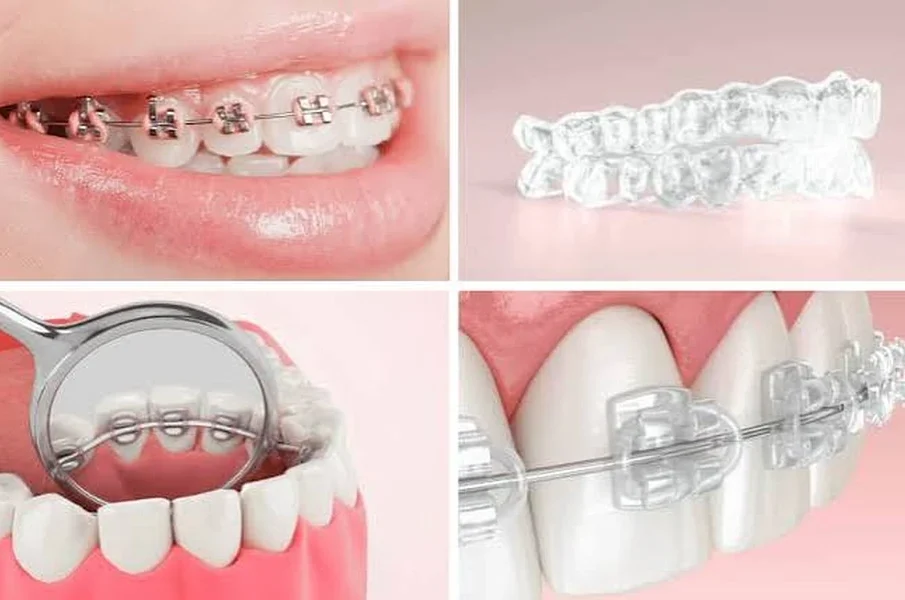
The assumption behind most searches for clear braces is that they are simply an invisible version of metal braces, doing the same job with a better appearance. The reality is closer to a different treatment philosophy altogether, using a series of custom-fitted trays rather than fixed wires, which changes what kinds of movement they can achieve and how disciplined a patient needs to be for the plan to work. Anyone comparing clear braces Singapore options should understand this distinction before assuming the two systems are interchangeable.
How Clear Aligners Actually Move Teeth
Each tray in a clear aligner series is manufactured to apply gentle, calculated pressure that shifts teeth a fraction of a millimetre before the patient moves on to the next stage. A digital scan of the mouth is used to plan the entire sequence in advance, so the treating dentist can preview roughly how the smile will change before any tray is worn. Unlike fixed braces, the force is removable, which places responsibility on the patient to wear each tray consistently. The digital plan also makes it easier to spot movements that aren’t tracking as expected, since progress can be compared directly against the original simulation at each review.
What Cases Clear Aligners Handle Well
Mild to moderate crowding, gaps between teeth, and minor bite corrections tend to respond well to aligner treatment, particularly in adults whose jaw growth has finished. Aligners are generally less suited to cases involving significant rotation of teeth, major bite discrepancies, or situations where teeth need to be moved vertically, since fixed braces can apply more targeted mechanical force in those scenarios. A dentist will usually flag early in the consultation if a case sits closer to this more complex end of the spectrum.
The Discipline Factor Most People Underestimate
Effective treatment generally requires twenty to twenty-two hours of wear per day, meaning trays come out only for eating, drinking anything besides water, and cleaning. Falling short of this consistently is one of the most common reasons treatment takes longer than planned or produces a less precise result than the original digital preview suggested, since each tray depends on the previous stage being fully completed.
What Attachments Do and Why They’re Used
For movements that plastic alone struggles to grip, small tooth-coloured bumps called attachments are bonded to specific teeth to give the aligner a better anchor point for rotation or extrusion. These are barely noticeable in everyday conversation but do add a slightly more textured feel to the aligner surface, and they’re removed once treatment concludes and the retainer stage begins.
How the Treatment Timeline Typically Unfolds
After the initial scan and treatment plan, trays are usually changed every one to two weeks, with review appointments roughly every six to eight weeks to check progress and take fresh impressions if adjustments are needed. Straightforward cases can finish in four to six months, while more complex crowding or bite correction can extend treatment well beyond a year. Mid-course corrections, where a fresh scan generates an updated set of trays, are common and don’t necessarily indicate anything has gone wrong.
Comparing Clear Aligners with Traditional Metal Braces
Fixed metal braces remain fully attached throughout treatment, which removes the compliance factor but comes with more visible hardware and more restrictions on food. A clear aligner provider will usually recommend the option suited to both the complexity of the case and how realistic consistent daily wear is for that particular patient’s lifestyle.
Caring for Teeth and Trays During Treatment
Because trays sit directly against the teeth for most of the day, plaque can accumulate quickly if brushing and flossing are skipped before reinserting them. Trays themselves need regular cleaning with a soft brush or dedicated cleaning solution, since sugary drinks or food particles trapped against enamel for hours pose a higher decay risk than with fixed braces, where saliva can reach more of the tooth surface.
What Happens After Treatment Finishes
Teeth remain capable of shifting back towards their original position for months or years after active treatment ends, which is why a retainer, whether removable or bonded behind the teeth, is essential rather than optional. Skipping retainer wear is one of the most common reasons patients see partial relapse within the first year after finishing their aligner series.
What Influences the Overall Cost
Cost depends on the number of trays required, which in turn reflects how much movement the case needs, along with the review schedule and any additional attachments bonded to teeth to help aligners grip more effectively. Straightforward cases with minor crowding sit at the lower end of the price range, while complex bite corrections requiring extensive tray sequences cost considerably more. Retainers, replacement trays for lost or damaged sets, and any mid-course rescans are worth clarifying upfront, since they aren’t always included in a headline quote.
Making the Decision That Fits Your Case
The most useful starting point is an honest assessment of both the dental complexity involved and personal discipline around wearing trays consistently, since even a well-planned sequence fails to deliver its intended result without that daily commitment. A proper consultation covering clear braces Singapore suitability, projected timeline and realistic cost is a far better guide than comparing marketing photos of finished smiles.