
Applying for a Medical Visa to India from Nigeria? Top Rejection Reasons and How to Avoid Them
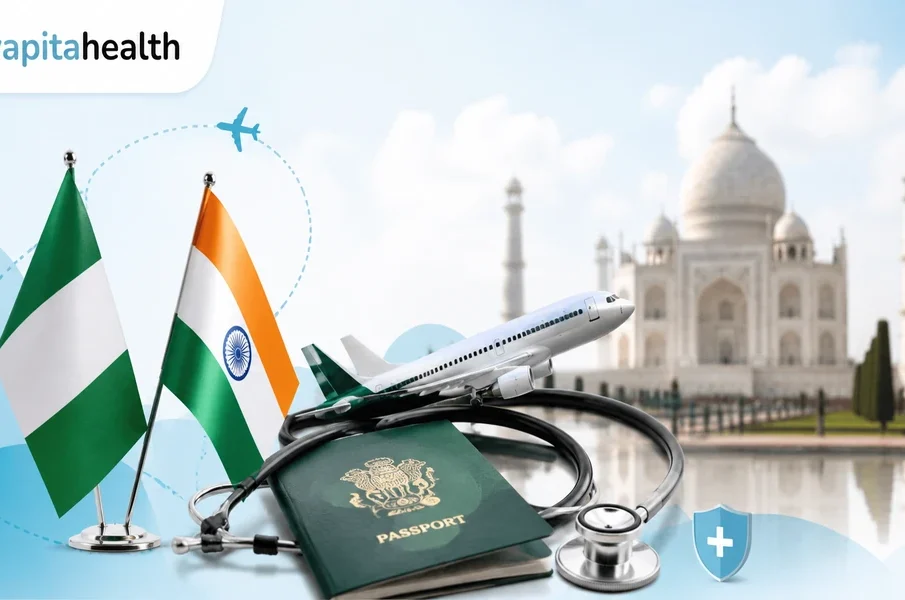
India has become a major destination for international patients seeking specialised cancer care, organ transplantation, cardiac procedures, orthopaedic treatment, and other complex medical services. For Nigerian patients considering a medical visa to India from Nigeria, travelling for treatment requires more than choosing a hospital and booking a flight. Visa documentation, passport requirements, hospital confirmation, and application accuracy can all affect the journey.
Although many visa problems are preventable, even a small inconsistency can create delays or complications. Understanding the most common reasons for rejection can help Nigerian patients prepare their applications more carefully.
1. Submitting Incorrect or Inconsistent Information
One of the most avoidable mistakes is entering information that does not exactly match the applicant’s passport or supporting documents.
- The Oversights:
- Spelling a name differently from the passport.
- Entering an incorrect passport number or date of birth.
- Providing inconsistent travel dates across documents.
- Making errors in previous travel or personal information.
Medical travel can involve multiple documents, including hospital letters, passport copies, and treatment records. If important details conflict, the application may require additional verification or face difficulties during processing.
The Fix: Review every field against the passport before submitting the application. Pay particular attention to names, passport numbers, nationality, dates of birth, and proposed travel dates. Supporting documents should also contain consistent information.
2. Applying Without Proper Hospital Documentation
A medical visa application needs to establish that the applicant genuinely intends to travel to India for treatment. A hospital invitation or treatment confirmation from the Indian medical institution is therefore an important part of the application.
The Problem: Applicants sometimes submit incomplete appointment messages, informal correspondence, or documentation that does not clearly identify the hospital and proposed treatment.
- What’s Needed:
- Official hospital invitation or treatment letter.
- Patient’s relevant identification details.
- Proposed treatment or consultation information.
- Expected admission or appointment details, where applicable.
The documentation should come from the Indian healthcare provider and should clearly support the stated purpose of travel.
Patients who are still comparing hospitals can also work with an established medical travel facilitator, such as Yapita Health, to understand treatment options and co-ordinate the necessary medical documentation prior to travelling.
3. Uploading Unclear Photographs or Supporting Documents
Online visa applications depend heavily on digital documentation. Poor-quality uploads can make otherwise valid information difficult to verify.
- Common Mistakes:
- Blurry passport scans.
- Cropped passport information pages.
- Incorrect photograph specifications.
- Files that are difficult to read.
- Uploading the wrong document.
A passport scan should clearly display the applicant’s biographical information, while the photograph should meet the current technical requirements specified by the Indian visa authorities.
The Fix: Prepare high-resolution digital copies before beginning the application. Check the file format, size, photograph specifications, and readability of every document before uploading it.
4. Choosing the Wrong Visa Category
Another important mistake is selecting a visa category that does not accurately reflect the purpose of the trip. A person travelling to India specifically for planned medical treatment should use the appropriate medical visa route rather than attempting to use a tourist visa for treatment purposes.
India also provides a separate medical attendant visa category for eligible people accompanying patients.
| Consideration | Common Mistake | Recommended Best Practice |
|---|---|---|
| Purpose of Travel | Selecting a general travel category despite planned medical treatment. | Select the visa category that accurately reflects the purpose of the journey. |
| Accompanying Person | Assuming an attendant automatically falls under the patient’s visa. | Check the applicable medical attendant visa requirements separately. |
| Treatment Details | Providing vague or inconsistent information about the planned treatment. | Ensure the application corresponds with the hospital documentation. |
Selecting the appropriate category from the beginning can reduce confusion during the application process and at immigration.
5. Ignoring Passport Validity Requirements
A valid passport is fundamental to international medical travel. Nigerian applicants should check their passport before making non-refundable travel arrangements.
The Problem: A passport that does not meet the applicable validity requirements can undermine an otherwise complete visa application and create problems during travel.
The Fix: Check the passport’s expiry date and ensure there are sufficient blank pages for immigration formalities. The personal information entered in the visa application should correspond exactly with the passport.
If the passport is approaching expiry, renewing it before starting the visa process can provide greater certainty.
6. Waiting Until the Last Minute to Apply
Medical treatment is often arranged around a specific hospital appointment or surgical schedule. Waiting until just before departure to complete the visa process can therefore create unnecessary pressure.
The Risk: A delayed application, request for additional information, or documentation issue could interfere with hospital appointments and flight arrangements.
The Solution: Start the visa process as soon as the treatment plan and hospital arrangements are sufficiently confirmed. Allow additional time to review documents and resolve potential issues instead of planning everything around the earliest possible travel date.
Patients should also avoid purchasing inflexible travel arrangements before confirming that their visa and medical plans are in order.
A Final Document Check Before Submission
Before submitting a medical visa application, Nigerian patients should review the following:
- Valid passport meeting the applicable requirements
- Accurate personal and passport information
- Clear passport biographical page
- Recent photograph meeting current specifications
- Official Indian hospital invitation or treatment documentation
- Correct visa category
- Consistent dates and information across documents
- Appropriate travel and treatment schedule
- Any additional documents required under current Indian visa rules
Requirements can change, so applicants should always verify the latest instructions through India’s official visa channels before submission.
Plan Your Medical Journey
Careful preparation for Nigerian patients researching a medical visa to India from Nigeria can help prevent many avoidable problems. While visa approval itself cannot be guaranteed, applicants can reduce unnecessary risks by providing accurate information, obtaining appropriate hospital documentation, checking passport requirements and submitting clear supporting documents.
Medical travel also involves coordinating hospital appointments, treatment plans, accommodation, transportation, and post-treatment arrangements. Organisations such as Yapita Health can assist patients in navigating these logistical aspects while they focus on making informed decisions about their healthcare.
The goal is not simply to obtain a visa. It is to ensure that the visa, medical documentation, hospital schedule, and travel plans all work together before the patient leaves Nigeria.