Beyond Cold Sores: Evidence-Led Natural Strategies for Managing Herpes
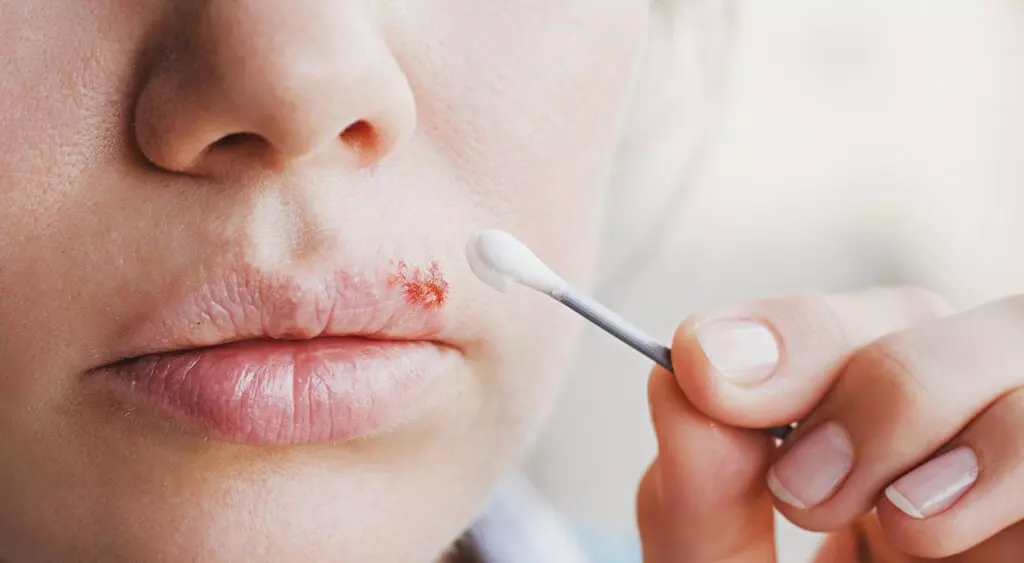
Herpes simplex virus (HSV) — whether causing cold sores (oral herpes) or genital outbreaks — is common and lifelong. While there’s no definitive cure, good science shows several natural, low-risk strategies can shorten outbreaks, reduce symptoms, and support safe long-term virus management when used alongside medical care.
What “natural treatment” really means
Natural approaches range from topical plant extracts and targeted oral supplements to lifestyle changes that boost immunity. Important: supplements are not medicines and are regulated differently than prescription antivirals — so be cautious of claims that a product “cures” HSV. Always check product quality and ask your clinician before starting anything new
Topical, clinically tested herbal remedies
Some botanicals have been tested in clinical trials and may be useful as adjuncts:
- Lemon balm (Melissa officinalis) — Topical creams containing standardized lemon balm extracts have reduced symptom severity and speeded healing in randomized trials for recurrent herpes labialis (cold sores). This makes lemon balm a valid clinically tested herbal remedy to consider for topical relief.
- Propolis and honey-based products — Clinical studies comparing propolis ointments to acyclovir (a standard antiviral) showed promising results in healing and symptom relief for oral and genital HSV lesions. High-quality propolis lip creams have also performed well against acyclovir in clinical comparisons. These topical options are among the most studied herbal antivirals for HSV.
Topicals are usually best when started as soon as you sense an outbreak (tingle/tingling stage). Patch-test a new herbal product first to check for skin sensitivity.
Oral supplements: what the evidence says
People commonly try oral measures like L-lysine because HSV needs arginine to replicate. Reviews show mixed results: some trials report fewer recurrences with higher-dose lysine (>1–3 g/day), while other trials find no clear benefit. The evidence is inconsistent enough that lysine should be considered a supportive option — not a replacement for antivirals — and only after discussing dose and safety with a clinician.
Note on “HPV supplement”: products marketed as an “HPV supplement” or similar are often aimed at general immune support and may contain mushroom extracts, vitamins, or plant compounds. Because dietary supplements aren’t evaluated like drugs, a product labeled for HPV is not proven to treat HPV or HSV; consider such products only for overall immune system support, not as direct antiviral cures.
Lifestyle & immune system support that matters
The frequency and severity of herpes recurrences are closely linked to immune status and triggers:
- Prioritize consistent sleep, balanced nutrition, regular exercise, and stress management (mindfulness, therapy, or breathing practices).
- Manage known triggers (sun exposure for lip sores, illness, hormonal shifts).
- Consider evidence-backed immune strategies (treat vitamin D deficiency, avoid extreme nutrient imbalances) under medical supervision.
These steps form the backbone of safe long-term virus management because they reduce the conditions under which HSV reactivates.
Integration with medical care
Natural strategies work best when they supplement, not replace, standard care. Prescription antivirals (e.g., acyclovir, valacyclovir) remain the most reliable way to shorten outbreaks and reduce transmission risk. Discuss with your healthcare provider whether intermittent or suppressive antiviral therapy, alongside topical botanicals and immune-support measures, is right for you.
Practical, safe steps you can take today
- Start a topical lemon balm or propolis product at the first tingle — patch test first.
- Talk to your clinician before trying high-dose lysine or multi-ingredient “HPV supplements.”
- Build consistent sleep, stress reduction, and nutrition habits for immune system support.
- Keep a trigger diary (sun, food, stress, cycle) to spot patterns and prevent recurrences.
- If outbreaks are frequent, severe, or affect quality of life, ask about suppressive antiviral therapy.
Bottom line: there are natural, evidence-backed tools to ease herpes symptoms and reduce recurrence risk — notably certain topical botanicals and targeted lifestyle interventions — but they’re most effective when combined with medical guidance. For trustworthy options, look for products tested in clinical trials, discuss any “HPV supplement” or high-dose regimen with your clinician, and focus on long-term immune system support as part of a broader, safe long-term virus management plan.