
Blood Sugar Test Philippines: What Your Results May Mean for Your Health
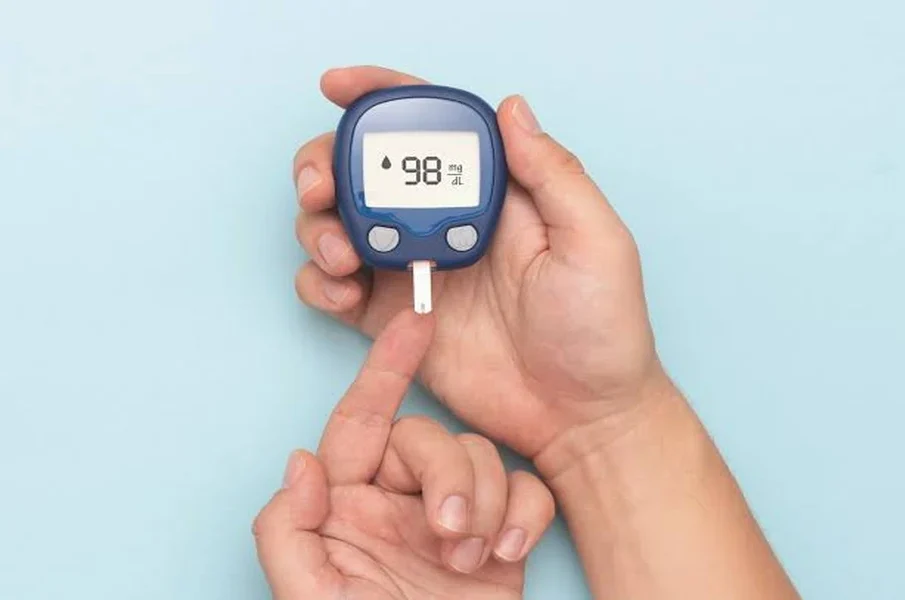
Blood sugar levels can tell you a great deal about how your body processes glucose and uses it for energy. While a single test result does not provide a complete picture of your health, it can help identify whether your glucose level is within a healthy range or whether further testing may be necessary.
This is especially important because high blood sugar does not always cause noticeable symptoms. Some people can have elevated glucose levels for months or even years without realizing it. Regular testing can therefore play an important role in identifying potential concerns before they become more difficult to manage.
Understanding what the numbers mean can also make conversations with your doctor easier and help you make better-informed decisions about your health.
What Is a Blood Sugar Test?
A blood sugar test measures the amount of glucose circulating in your blood. Glucose is one of the body’s main sources of energy and comes largely from the food you eat.
The hormone insulin helps move glucose from the bloodstream into your cells. When the body does not produce enough insulin or cannot use it effectively, glucose can remain in the bloodstream and cause blood sugar levels to rise.
Healthcare professionals may recommend different types of tests depending on your symptoms, medical history, risk factors, and reason for testing.
Common Types of Blood Sugar Tests
Some of the most frequently used tests include:
- Fasting blood sugar or fasting plasma glucose
- Random blood sugar test
- HbA1c or A1C test
- Oral glucose tolerance test
These tests measure glucose in different ways, so it is important to understand which test was performed before interpreting your result.
Understanding Your Fasting Blood Sugar Result
A fasting blood sugar test is normally performed after you have gone without food for at least eight hours. Water is generally allowed during the fasting period.
For adults who are not pregnant, commonly used diagnostic ranges for fasting plasma glucose are:
- 99 mg/dL or below: Generally considered within the normal range
- 100 to 125 mg/dL: Falls within the prediabetes range
- 126 mg/dL or higher: Falls within the diabetes range and normally requires medical evaluation and confirmation
If you are arranging a blood sugar test Philippines healthcare providers or laboratories offer, make sure you follow the fasting instructions given to you. Eating or drinking something other than water before a fasting test can affect the result and may make it harder for your healthcare professional to interpret accurately.
A result slightly outside the normal range does not automatically mean you have diabetes. Your doctor may consider your medical history, symptoms, medications, recent illness, and other laboratory results before reaching a diagnosis. Diabetes is generally confirmed using additional testing unless there are clear symptoms and sufficiently diagnostic findings.
What Your HbA1c Result May Mean
Unlike a fasting blood sugar test, an HbA1c test provides information about your average blood glucose level over approximately the previous two to three months. Fasting is generally not required.
Common HbA1c diagnostic ranges include:
- Below 5.7%: Normal range
- 5.7% to 6.4%: Prediabetes range
- 6.5% or higher: Diabetes range
Because an HbA1c test reflects longer-term glucose patterns, it can provide information that a single blood sugar reading may not show.
However, HbA1c results should still be interpreted by a healthcare professional. Certain medical conditions, pregnancy, severe anemia, kidney problems, blood disorders, recent blood loss, and other factors can affect the accuracy of an HbA1c result.
Why Diabetes Screening May Matter
Many people associate diabetes testing with symptoms such as excessive thirst, frequent urination, unexplained weight loss, blurred vision, or unusual tiredness. However, type 2 diabetes and prediabetes may develop without obvious warning signs.
This makes diabetes screening Philippines services particularly relevant for people who may have risk factors even when they feel generally healthy.
Factors That May Increase Your Risk
A healthcare professional may recommend testing depending on factors such as:
- Being overweight or obese
- Having a family history of diabetes
- Having previously been diagnosed with prediabetes
- Having high blood pressure
- Having abnormal cholesterol or triglyceride levels
- Having had gestational diabetes
- Being physically inactive
- Having other conditions associated with insulin resistance
Your individual risk cannot be determined from one factor alone. A doctor can assess your overall health and determine which tests are appropriate for you.
What Does a Prediabetes Result Mean?
Prediabetes means that your blood glucose level is higher than the normal range but has not reached the threshold used to diagnose diabetes.
It should not be ignored.
Prediabetes indicates an increased risk of eventually developing type 2 diabetes. It may also be an opportunity to review lifestyle habits and other health factors with a healthcare professional before blood sugar levels rise further.
Depending on your circumstances, your doctor may recommend changes involving nutrition, physical activity, weight management, sleep, or other aspects of your health. Follow-up blood tests may also be advised to monitor whether your glucose levels are improving, remaining stable, or increasing.
What If Your Results Are Within the Normal Range?
A normal test result is generally reassuring, but it does not mean blood sugar should never be checked again.
Your future testing needs depend on factors such as your age, medical history, family history, previous results, medications, and overall risk of developing diabetes.
Healthy habits remain important even when your current glucose results are normal. A balanced diet, regular physical activity, adequate sleep, and routine health checks can contribute to better long-term metabolic health.
What Should You Do If Your Blood Sugar Is High?
Receiving an elevated result can be concerning, but avoid trying to diagnose yourself based on one laboratory value or a reading from a home glucose meter.
Discuss the result with a qualified healthcare professional who can determine whether another test is necessary.
Your doctor may recommend:
Testing is only one part of the process. Proper interpretation matters just as much as getting the test itself.
Take Blood Sugar Results as Useful Health Information
Blood sugar testing can provide valuable information about how your body is managing glucose. Whether your result falls within the normal, prediabetes, or diabetes range, understanding what the number represents can help you have a more productive conversation with your healthcare provider.
More importantly, do not treat one number as your entire health story. Blood glucose results need to be interpreted alongside your symptoms, medical history, risk factors, and other laboratory findings.
If your results are elevated, unusual, or different from previous tests, consult a qualified healthcare professional. Early testing and appropriate follow-up can help identify potential blood sugar problems and give you a clearer understanding of the next steps for protecting your long-term health.