Post-BMT Follow-Up Care: Monitoring for Relapse, GVHD, and Long-Term Health

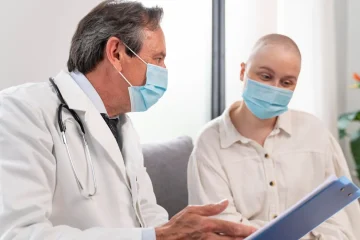
A bone marrow transplant (BMT) marks a critical milestone in treating blood cancers and disorders, but the journey doesn’t end at discharge. Long-term survival and quality of life depend heavily on structured follow-up care to monitor for relapse, graft-versus-host disease (GVHD), and late effects. For patients undergoing Bone Marrow Transplant in India, access to specialized post-transplant clinics and experienced hematologists through platforms like BMT Hospitals ensures comprehensive, lifelong monitoring.
Why Post-BMT Follow-Up Is Essential
After a transplant, the immune system takes months to years to fully recover. During this period, patients face three primary risks:
- Relapse: Return of the original disease (e.g., leukemia, lymphoma, myeloma)
- Graft-versus-Host Disease (GVHD): Donor immune cells attacking the patient’s tissues
- Late Effects: Long-term complications from conditioning chemotherapy, radiation, or immunosuppression
Structured follow-up protocols help detect these issues early, when interventions are most effective. Studies show that patients adhering to regular monitoring schedules have significantly better 5-year survival rates and fewer severe complications.
Monitoring for Relapse: Tests and Timelines
Relapse risk varies by disease type, transplant type (autologous vs. allogeneic), and genetic risk factors. Most relapses occur within the first 2 years post-transplant, though late relapses can happen.
Key Monitoring Tools:
- Complete Blood Count (CBC): Monthly for the first year, then quarterly. Declining blood counts may signal early relapse.
- Bone Marrow Aspiration and Biopsy: Performed at 3, 6, 12, and 24 months, or if blood counts drop unexpectedly. Pathologists check for residual disease cells.
- Minimal Residual Disease (MRD) Testing: Highly sensitive molecular tests (e.g., flow cytometry, PCR, NGS) detect cancer cells at levels as low as 1 in 100,000. MRD positivity often precedes clinical relapse by months.
- Imaging: PET-CT or MRI for lymphoma/myeloma patients if symptoms arise.
Relapse Warning Signs:
- Unexplained fatigue, fever, or night sweats
- Easy bruising or bleeding
- Bone pain or swollen lymph nodes
- Recurrent infections
Patients receiving Bone Marrow Transplant in India at high-volume centers benefit from routine MRD monitoring and rapid access to salvage therapies (e.g., donor lymphocyte infusions, targeted drugs, or second transplants) if relapse is detected.indicaretourism+1
Graft-versus-Host Disease (GVHD): Recognition and Management
GVHD occurs when donor immune cells mistake the patient’s body for foreign tissue. It affects 30-50% of allogeneic transplant recipients and is the leading cause of non-relapse mortality.
Types of GVHD:
- Acute GVHD: Occurs within 100 days post-transplant. Affects skin (rash), liver (jaundice), and gut (diarrhea, abdominal pain).
- Chronic GVHD: Develops after 100 days. Can involve skin (tightening, discoloration), eyes (dryness), mouth (sores), lungs (shortness of breath), and joints (stiffness).
Monitoring Protocol:
- Weekly Clinical Assessments: First 3 months, focusing on skin, eyes, mouth, and gastrointestinal symptoms.
- Liver Function Tests (LFTs): Elevated bilirubin or alkaline phosphatase may indicate liver GVHD.
- Pulmonary Function Tests (PFTs): Every 3-6 months to detect bronchiolitis obliterans (lung GVHD).
- Ophthalmology and Dermatology Consults: For chronic GVHD affecting eyes or skin.
Treatment Options:
- First-Line: High-dose corticosteroids (prednisone) for moderate-severe GVHD.
- Second-Line: Ruxolitinib (Jakafi), ibrutinib, or extracorporeal photopheresis (ECP) for steroid-refractory cases.
- Supportive Care: Immunosuppressants (tacrolimus, cyclosporine), topical steroids, artificial tears, and physical therapy.
Centers listed on BMT Hospitals often have dedicated GVHD clinics with multidisciplinary teams, ensuring prompt diagnosis and tailored treatment plans.
Long-Term Health: Managing Late Effects
Survivors of Bone Marrow Transplant in India face unique long-term health challenges due to prior chemotherapy, radiation, and prolonged immunosuppression.
Common Late Effects:
- Endocrine Disorders: Hypothyroidism, diabetes, osteoporosis, and infertility occur in 20-40% of survivors. Annual thyroid function tests, bone density scans (DEXA), and hormone panels are recommended.
- Cardiovascular Issues: Increased risk of hypertension, heart failure, and stroke. Annual blood pressure checks, lipid profiles, and echocardiograms for high-risk patients.
- Secondary Cancers: Skin cancers, solid tumors (e.g., breast, lung), and new blood cancers. Annual dermatology exams and age-appropriate cancer screenings (mammograms, colonoscopies) are critical.
- Cognitive and Psychological Effects: “Chemo brain,” anxiety, depression, and PTSD affect up to 30% of survivors. Neuropsychological testing and counseling improve quality of life.
- Chronic Infections: Due to delayed immune recovery, patients remain susceptible to viral (e.g., CMV, shingles) and fungal infections. Vaccination schedules (starting 6-12 months post-transplant) and prophylactic antivirals are essential.
Lifestyle Recommendations:
- Diet: High-protein, low-sugar, and calcium/vitamin D-rich foods to support bone health.
- Exercise: Moderate aerobic and resistance training to combat fatigue and muscle loss.
- Sun Protection: Broad-spectrum SPF 50+ to reduce skin cancer risk.
- Avoid Smoking and Excess Alcohol: Both increase secondary cancer and cardiovascular risks.
The Role of Specialized Follow-Up Clinics
Top BMT Hospitals in India offer dedicated survivorship programs that coordinate:
- Multidisciplinary Care: Hematologists, endocrinologists, cardiologists, dermatologists, and psychologists work together.
- Telemedicine Follow-Ups: Virtual consultations for patients living far from transplant centers, reducing travel burden.
- Patient Education: Workshops on nutrition, exercise, and recognizing early warning signs.
- Support Groups: Peer networks for emotional support and shared experiences.
For international patients, platforms like BMT Hospitals facilitate seamless transitions from inpatient care to outpatient follow-up, ensuring continuity even after returning home.
Final Thoughts
Post-BMT follow-up is not optional-it’s a lifelong commitment to health. By adhering to structured monitoring schedules, recognizing early warning signs, and partnering with experienced centers, patients can maximize their chances of long-term remission and quality of life. For those seeking Bone Marrow Transplant in India, resources like BMT Hospitals provide access to world-class transplant programs with robust survivorship care, turning a second chance at life into a thriving future.