Hair Transplant In Sydney: A Guide To Effectiveness and Safety
Hair loss is a challenge many people face, and it affects appearance and confidence. Some try temporary solutions like wigs and sprays, but these options do not always last. Procedures like hair transplant Sydney have become increasingly popular for a more permanent fix. It is important to understand the effectiveness of a transplant and how safe it is.
What is a hair transplant?
A hair transplant is a medical procedure that moves healthy hair follicles from one part of the scalp to an area with thinning or baldness. This method works because hair at the back and sides of the head is usually resistant to balding. Once transplanted, these hairs continue to grow naturally in their new position.
There are two main techniques:
- Follicular Unit Transplantation (FUT). A strip of skin with hair is removed. It is divided into smaller grafts and implanted into the thinning area.
- Follicular Unit Extraction (FUE). Individual hair follicles are taken directly from the donor area and transplanted one by one onto the specific areas.
Both methods aim to provide natural results. The choice depends on various factors, such as:
- patient’s condition
- scalp health
- doctor’s recommendation
How effective is a hair transplant?
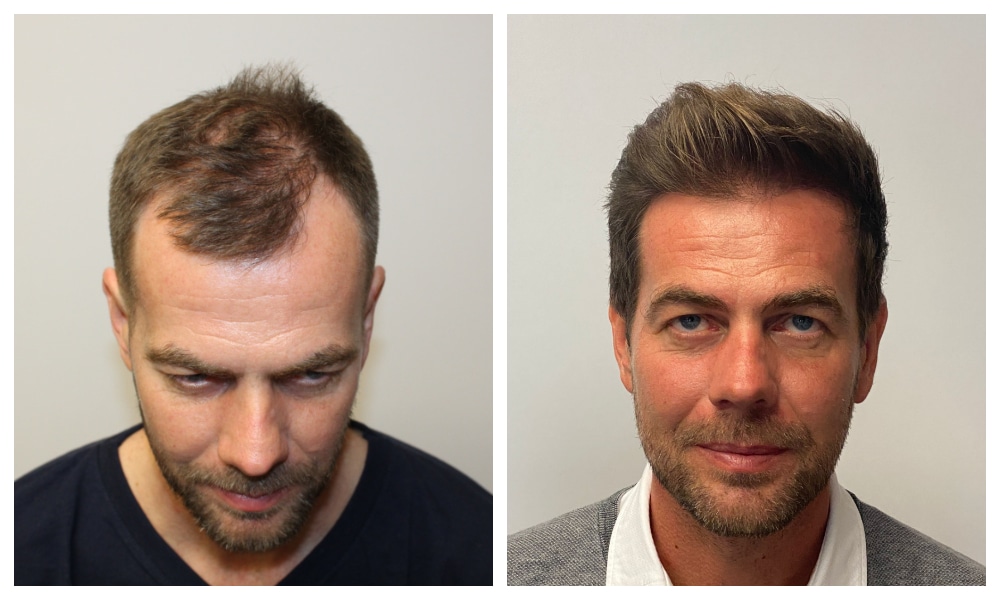
The effectiveness of hair transplants has improved greatly due to modern techniques. Transplanted hair follicles are permanent and resistant to hair loss. This means the results can last for a lifetime, provided patients follow proper aftercare.
Some important points about effectiveness include:
- Natural growth. The transplanted hair grows like normal hair, so it can be:
- cut
- washed
- styled
- Gradual results. Full growth is not immediate. It takes 6 to 12 months for the new hair to become fully visible.
- High success rates. Studies show that most transplants have success rates of 85–95%, depending on the individual and the surgeon’s skill.
The outcome also depends on the amount of donor hair available, the pattern of hair loss, and realistic expectations from the patient.
Is a hair transplant safe?
Safety is a key concern for anyone considering surgery. Hair transplants are considered safe when done by qualified professionals. The procedure is performed under local anesthesia, which is less invasive compared to other surgeries.
Common side effects include:
- Mild swelling of the scalp
- Temporary redness or scabs in the transplanted area
- Slight discomfort during healing
These effects are short-term and disappear within a few days to weeks. Serious complications are rare when patients follow medical advice before and after the procedure.
Benefits of a hair transplant
A hair transplant does more than restore hair, which improves confidence and quality of life. Some benefits include:
- Permanent solution. Transplanted hair does not need special maintenance, unlike wigs or topical products.
- Natural look. The results blend seamlessly with existing hair with proper techniques.
- Psychological impact. Many patients report feeling more confident and satisfied after treatment.
Who can consider a hair transplant?
Not everyone is a perfect candidate. A consultation with a specialist is essential, but generally, good candidates are:
- People with stable hair loss patterns
- Those with enough donor hair at the back or sides of the head
- Individuals in good overall health
Younger patients with early-stage hair loss may need careful planning, as their hair loss could progress over time.
Conclusion
Hair transplant is a proven hair loss method for restoring lost hair and achieving long-term results. It is both effective and safe when carried out by skilled professionals in a medical setting. The procedure requires patience and a proper healing period, outweighing the short recovery time. When considering a permanent solution to hair loss. Learning about the process and its effectiveness is the first step to making an informed decision.