Stop the Sting: Understanding Common Triggers to Prevent Future Canker Sores
Canker sores know when to make an appearance. They make it painful to eat, uncomfortable to talk. They are not random, but they are common. If you want to know what causes canker sores, this can help you minimize having these sores (or not have these at all) to make your mouth feel healthy.
What are Canker Sores?
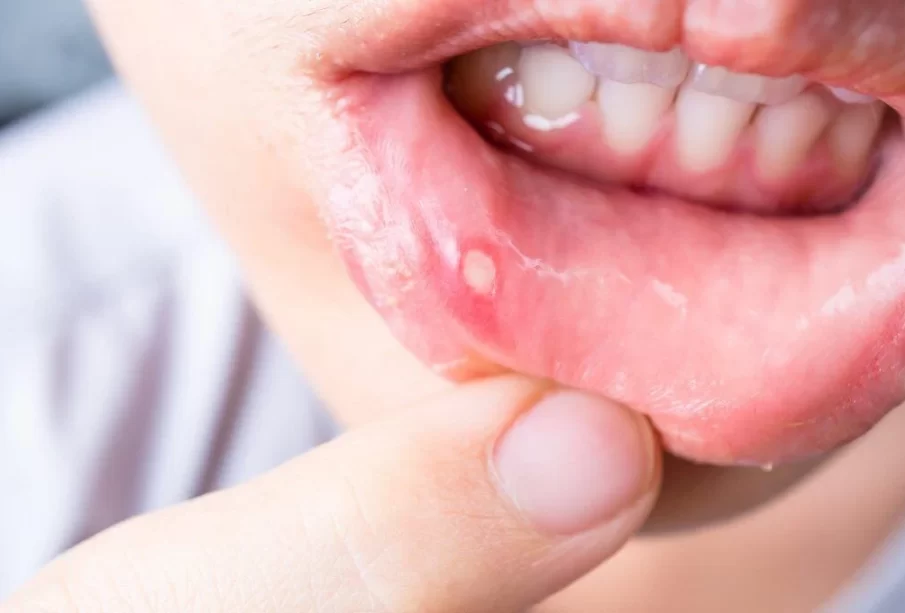
Canker sores are small shallow ulcers that develop inside the mouth. Typically, found on the lips, cheeks, tongue, or gums. The sores are not contagious to others, but can be painful, particularly when food or drink touches the sore.
The majority of sores will heal within one to two weeks. The trouble begins, however, whenever they return repeatedly.
Common Physical Triggers
Some triggers are mechanical. They are characterized by inflammation or damage of the oral mucosa.
Common physical causes include:
- Accidental cheek or lip bites
- Brushing too hard
- Ill-fitting dental appliances
This means a torn tissue or any small injury can also open the door for a sore to form.
Food and Drink Triggers
Some foods are famous culprits of mouth ulcer. They cause irritation to sensitive tissue and impede healing.
Trouble foods include:
- Citrus fruits
- Spicy dishes
- Salty or crunchy snacks
Keeping these foods to a minimum during vulnerable periods can help prevent sores later on.
Stress and Emotional Factors
Letting stress get to your head is harmful for more than just your mental state. It reduces the natural immunity of the body. Time of stress or emotion: Outbreaks often coincide with busy times when you have little time for caring for your skin, or after major emotional events.
Stress-induced behaviors such as sleeping poorly or eating on the run add into that mix too. You understand what causes canker sores, so managing stress is commonly employed;
Nutritional Imbalances
Not getting enough of certain nutrients can put the mouth at risk. Iron, vitamin B12, or folate are the conditions that cause repetitive ulceration.
A balanced diet supports healing. Sometimes based on professional advice supplements may be advised.
Sensitivities in Oral Care Products
Certain ingredients in toothpaste and mouthwash can cause sores. Sodium lauryl sulfate is a well-known irritant.
Switching to gentler products may:
- Reduce irritation
- Lower the frequency of sores
- Improve overall comfort
Try to do labels corrections and select low formula if possible.
Immune System Responses
Canker sores are sometimes related to the immune system. This can cause the body to respond very strongly to even small triggers and create inflammation in the mouth.
It does not always indicate a serious problem. Frequent sores, however, should not be dismissed.
When to Seek Professional Advice
Occasional ulcers are normal. Your doctor should see sores that are frequent or severe.
Get professional help if:
- Soars remained past a couple of weeks
- Pain affects eating or speaking
- Ulcers appear unusually large
By guiding parents early on, underlying issues can be eliminated.
Easy to Follow Steps to Stop a Future Occurrence
Prevention starts with awareness. Big difference: little habits.
- Use a soft toothbrush
- Avoid known food triggers
- Maintain proper nutrition
- Manage daily stress
A New Approach to Avoiding Soreness
While canker sores are prevalent, they are not inevitable. When you know what causes a canker sore, you have the advantage.
The right knowledge breaks the sting before it starts, allowing for less interruption and a better, more functional, healthier mouth.