
The Small Details People Forget When Buying New Glasses
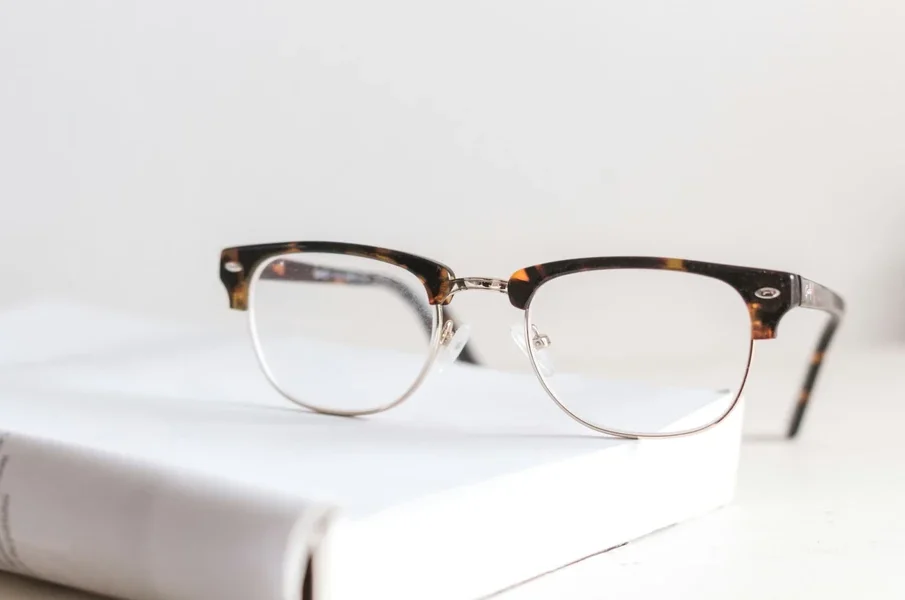
Buying new glasses sounds straightforward until you actually start doing it. Most people focus on the obvious things first: the frame shape, the colour, the prescription itself. Those choices matter, but they are rarely the things that determine whether a pair of glasses becomes something you wear comfortably every day or something that ends up abandoned in a drawer six months later.
The smaller details are usually what make the difference.
How the frames sit after an hour
A pair of glasses can feel perfectly fine for the first few minutes. The real test often comes later. Pressure behind the ears, a bridge that slowly digs into the nose, or frames that start slipping after walking outside are problems that are easy to miss during a quick try-on.
Weight distribution matters far more than people realise. Two frames can look almost identical but feel completely different once lenses are fitted. Thicker prescriptions especially can change how balanced a frame feels on the face.
This is often why lightweight materials like titanium or thinner acetate blends tend to become long-term favourites. Comfort is rarely dramatic. You usually notice it by the absence of irritation.
Lens width changes more than appearance
Many people choose frames based purely on style without considering how lens size affects vision.
Very large lenses can sometimes create distortion around the edges, particularly for stronger prescriptions. Smaller lenses may reduce that effect but can narrow your field of view slightly. The position of your pupils within the frame also matters more than most people expect.
A good-looking frame that constantly makes your eyes work harder quickly becomes exhausting to wear.
This is one reason people buying prescription glasses online sometimes end up surprised when a frame they loved in photos feels completely different in practice. Measurements matter.
Nose pads are often overlooked
People tend to notice temples and frame shape, but nose pads quietly affect comfort every single day.
Adjustable nose pads can make a huge difference for people whose glasses constantly slide down, especially in warmer weather. They also help create better alignment between the eyes and the optical centre of the lens.
Plastic moulded bridges can work well too, but they are less forgiving if the fit is slightly off.
Tiny adjustments around the nose area often solve problems people assume are caused by the prescription itself.
Coatings matter in daily life
Lens coatings are usually treated as optional extras, but some genuinely affect how glasses feel to wear.
Anti-reflective coating, for example, becomes especially noticeable at night, during screen use, or under artificial lighting. Without it, reflections can create subtle visual fatigue over time.
Scratch resistance also matters more than expected. Most people are far less careful with glasses than they imagine they will be. They get cleaned with jumpers, left on bedside tables, dropped into bags without cases.
The difference between lenses that still look clear after two years and lenses covered in fine scratches often comes down to coatings.
Your routine should influence the frame
Glasses do not exist in isolation from the rest of life. Someone who spends most of the day commuting, walking outdoors, or moving between bright and dim environments may need something entirely different from someone working mainly at a desk.
This is where people often make slightly disconnected choices. A very delicate frame may look beautiful but become frustrating for someone constantly taking glasses on and off throughout the day. Thick acetate may feel secure but heavy during long periods of wear.
The practical side of glasses is rarely glamorous, but it affects satisfaction more than trends do.
Online photos never tell the full story
It has become increasingly common to buy Ray Ban glasses online, particularly because people already know the styles they like. But photographs rarely show proportions properly. Small differences in bridge width, temple length, or lens depth can completely change how a frame fits.
Even colour can look different in natural light compared to studio photography.
The best choices usually happen when style and practicality meet somewhere in the middle. People tend to regret glasses that are chosen entirely for appearance far more often than glasses chosen carefully for everyday wear.
And oddly enough, the best pairs are usually the ones you stop thinking about altogether.