
5 Reasons Panoramic X Rays Are Crucial In Complex Cases
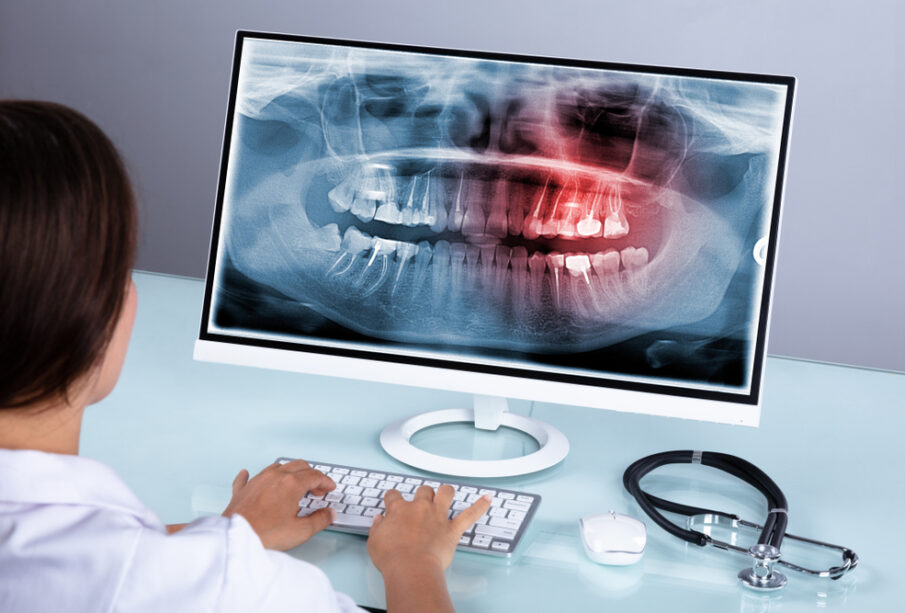
When your teeth or jaw have problems, guessing is dangerous. You need a clear picture. Panoramic X rays give that picture in one wide view. They show teeth, roots, jaw joints, sinuses, and bone in a single scan. This helps your Clearwater dentist see what is hiding under the surface. Complex cases like impacted teeth, jaw pain, or past trauma often stay hidden on small X rays. A missed cyst or fracture can lead to pain, infection, or tooth loss. Panoramic images lower that risk. They help you and your dentist plan treatment with confidence. You see the problem. You see the choices. You see the path forward. This blog explains five reasons these wide X rays are crucial when your case is not simple. You deserve care that does not guess.
1. You see the whole mouth in one image
A panoramic X ray wraps around your mouth in a single picture. You get a full story instead of scattered details. Traditional bitewing or periapical X rays show small slices. Those are useful for simple cavities. Complex cases need more.
With one panoramic image, your dentist can check:
- All teeth, including wisdom teeth
- Upper and lower jaws
- Jaw joints
- Sinus floors
- Overall bone pattern
The National Institute of Dental and Craniofacial Research explains that dentists use different X rays for different reasons. Panoramic images help when a wide view is needed. You avoid missing something serious in the corners of your mouth.
Here is a simple comparison.
|
Type of X ray |
What it shows |
Best use |
|---|---|---|
|
Bitewing |
Small sections of upper and lower back teeth |
Checking cavities between teeth |
|
Periapical |
One or a few teeth from crown to root tip |
Root problems or deep infection |
|
Panoramic |
All teeth, both jaws, jaw joints, and parts of sinuses |
Complex cases, planning, growth, and hidden problems |
This full view is especially helpful for adults with many old fillings, crowns, or past injuries. It gives you and your dentist a shared picture to talk through.
2. Hidden problems show up early
Many serious mouth problems start in silence. You may not feel anything until damage grows. A panoramic X ray can reveal quiet threats such as:
- Cysts in the jaw
- Benign growths
- Bone loss from gum disease
- Impacted wisdom teeth
- Sinus issues that affect teeth
Early discovery changes your story. A small cyst is easier to remove. A wisdom tooth that has not damaged the next tooth is easier to manage. Bone loss that shows up early can lead to faster support for your gums and teeth.
The National Cancer Institute dental X ray fact sheet notes that imaging helps dentists detect disease early and avoid more painful treatment. You get a chance to act before a crisis builds.
This matters in complex cases such as:
- Long term jaw pain
- History of oral surgery
- Past trauma to the face
- Chronic sinus problems
In these situations, a small X ray may look normal. A panoramic image can show how all the pieces connect.
3. Treatment planning becomes safer and clearer
Complex care often needs steps. You might need braces, jaw surgery, implants, or root canal treatment. A panoramic X ray is a map. Without that map, treatment can feel like walking in the dark.
Your dentist can use the panoramic image to plan:
- Where to place dental implants
- How to remove impacted teeth without harming nerves
- Whether jaw surgery might help your bite
- How orthodontic treatment will move teeth
You gain more than safety. You gain understanding. You can see your own jaw and teeth. You can ask better questions. You can weigh choices with less fear. This shared planning reduces surprise changes later. It cuts the risk that treatment will stall or fail because something hidden was missed.
4. Radiation exposure is low and focused
Many people worry about X rays. That worry is understandable. You want to protect yourself and your family. The good news is that dental X rays use low doses. Modern panoramic units use digital sensors. These need less radiation than older film.
According to data used by many health agencies, a panoramic dental X ray often gives a dose that is a fraction of everyday background radiation you receive from the sun and soil each year. Lead aprons and thyroid collars add more protection when used.
Here is a simple way to think about it.
|
Source |
Approximate relative exposure |
|---|---|
|
One day of natural background radiation |
1 unit |
|
Single panoramic dental X ray |
About a few units |
|
Yearly natural background radiation |
Hundreds of units |
This table is not exact. It gives you a feel for scale. You can ask your dentist how often you need X rays based on your risk, age, and history. For complex cases, the benefit of one clear panoramic image usually outweighs the small risk.
5. Long term records guide your future care
A single panoramic X ray is helpful. A series over time is powerful. Your dentist can compare images from different years. This helps show slow changes that you might never notice.
Over time, panoramic images can show:
- Shifts in jaw joints
- Slow bone loss around teeth
- Movement of unerupted teeth in children or teens
- Healing after surgery or trauma
This record gives you protection. If a new symptom appears, your dentist can look back and see what is old and what is new. That can prevent repeat tests. It can prevent guesswork. It can also support second opinions if you want them.
How to talk with your dentist about panoramic X rays
You have a right to understand why any test is recommended. Before a panoramic X ray, you can ask:
You can also share if you are pregnant, planning pregnancy, or have had many medical images. Your dentist can adjust timing and protection. Many complex cases still need a panoramic view. Clear information helps you feel less fear and more control.
Bottom line
Complex mouth problems demand clear sight. Panoramic X rays give that sight in one wide image. They reveal hidden problems, guide safer treatment, keep radiation low, and build a record that guards your future health. You do not have to accept guesswork when your teeth, jaw, and smile are at stake. You can ask for clear answers backed by clear images.