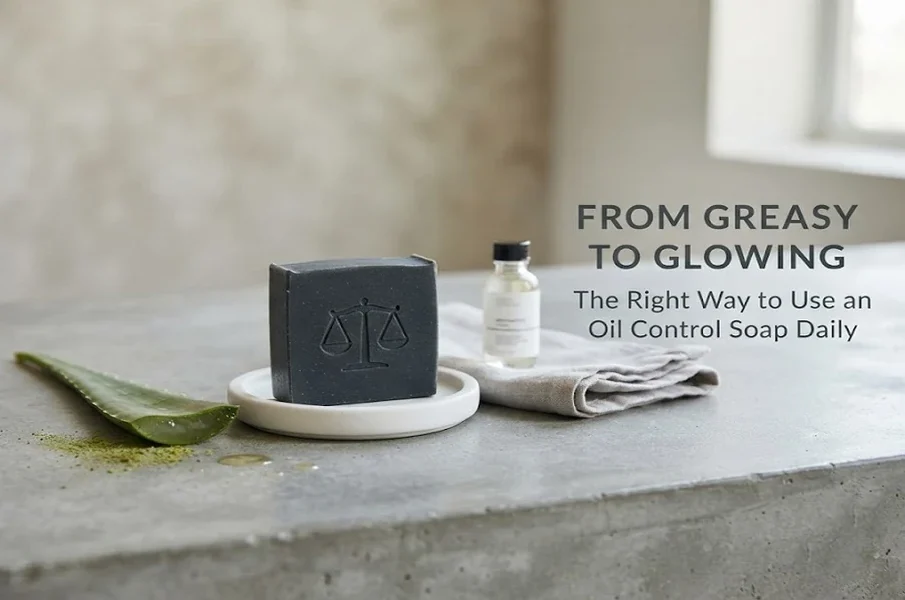
From Greasy to Glowing: The Right Way to Use an Oil Control Soap Daily
Cleansing your face seems simple but using an oil control soap in the wrong way can trigger breakouts or make your skin even oilier than before due to rebound sebum production. When you strip away all the lubricating defensive mechanism.
Your skin goes into damage control and begins to secrete even more oil in an attempt to replenish it. The secret to healthy and radiant skin lies in finding a happy medium of ridding excessive grease and keeping necessary nutrients in your skin.
Possible Reasons Behind The Failure Of Your Current Skincare Routine
Cleansing too often
Using cleansers like soap too frequently without giving it adequate space and time to calm could strip off the natural oils from the skin which are necessary for skin’s protection.
Use of hot water
Hot water can render your skin dry and flaky. It can also damage the skin’s microbiome and may cause redness or flushing.
Aggressively rubbing soap
Cleansing and washing your skin must be done gently to prevent the microtears or abrasion due to vigorous rubbing.
Use of harsh cleansing agents
Harsh and heavy foaming surfactants as skin cleansers could do more harm than good because of the high potential to produce inflammation on the skin. They can also trigger rebound sebum production.
Skipping moisturizer after cleansing
A moisturizer would hydrate, soothe and improve the skin feel after cleansing. It will also improve the overall skin’s protection barrier.
Mix-Match of Potent Actives
Mixing salicylic with retinoids and other exfoliating acids can overwhelm the skin barrier and may lead to skin irritation.
Feigning ignorance to the ever-changing environment
You need to use a clear skin soap that works well in all sorts of changing environments. Whether it’s hot and humid weather or dry cold winter, the soap should be non-drying, gentle and effectively cleanse the skin.
What key ingredients should you look for in your clear skin soap for the right skincare routine?
Some of the widely used and recommended common ingredients with exceptional medicinal properties for effective oil control are as follows:
Neem
It brings down the hyperactivity of the oil glands of the skin and balances the sebum production. Its anti-microbial properties protect the skin from pathogenic attack due to excess sebum.
Turmeric
Turmeric controls skin oiliness with its active phytoconstituents to reduce sebum production. It suppresses cellular stress, prevents surface lipid peroxidation and minimizes the inflammation.
Salicylic Acid
Salicylic acid lipophile in nature which allows it to penetrate deeper into the layers of the skin and target the sebaceous glands. It clears up the clogged pores by dissolving existing plugs composed of hardened oil and debris.
Tea Tree Oil
Tea Tree Oil shrunken the size of the pores with its astringent property. It disrupts the thick layer of sebum on the skin making it easier to remove and helps in restoration of the balance of the natural oils on the skin. Additionally, it is effective against C. acnes.
Aloe Vera
Hydrates deeply and is a skin soother. It sends the signals to the sebaceous glands that the skin is safe and hydrated enough to limit their secretion.
Some Points To Consider Before Choosing Your Oil Control Soap
Choosing the most suitable daily soap and using it the right way is essential to maintain the skin microbiome and its protective function. Below are some points to consider while choosing a soap meant for your skin:
High Safety Profile
It should not have any harsh and skin damaging surfactants like SLS. Preservatives included in the formulation also shouldn’t be those found with chemical endocrine disruptors such as parabens, this would make skin problems worse. Other elements to exclude include colouring agents or fragrances that are produced synthetically as they may also irritate the skin and/or trigger allergic reactions.
Low Comedogenic Profile
A low comedogenic profile of the ingredients of the soap is highly appreciated for oily skin. The ingredients should not feel heavy on skin for use. It will help to reduce the clogging of pores. This will be effective for oil-control with minimizing the incidence of blackheads and whiteheads too.
Optimized pH value
The pH of the soap should be mild and must fall in the range of skin’s normal pH (pH 4.5-5.5) so that it is gentle on skin.
The Right Technique to Effectively Wash Your Skin Using An Oil Control Soap Daily
Skincare Experts suggest that the Oil Control Soap should be used 2-4 times for oily skin. The widely preferred way of using it is mentioned in the steps below:
TIP: You can follow up with some hydrating non-comedogenic moisturizer for your skin.
Final Thoughts
Skin can maintain its balance and shine-free look through using an oil-control soap with the skin balance pH of 4.5-5.5 containing neem, tea tree oil and salicylic acid in order to control the production of sebum without losing your barrier protection. Try to refrain from over-washing with aggressive cleaners which would stimulate oil rebound for your skin, instead cleanse gently using water two times a day, and finally apply a suitable moisturizer.