The Best Ways To Relieve Urticaria Itching Safely
Sudden itchy, raised welts on the skin can be itching and alarming. Knowing how to safely ease the itch will prevent the hassle to a degree as the skin clears. This article describes easy, less risky steps on how to relieve urticaria itching (蕁麻疹怎麼止癢).
Explaining the best way to relieve urticaria itching safely
Understanding what urticaria is
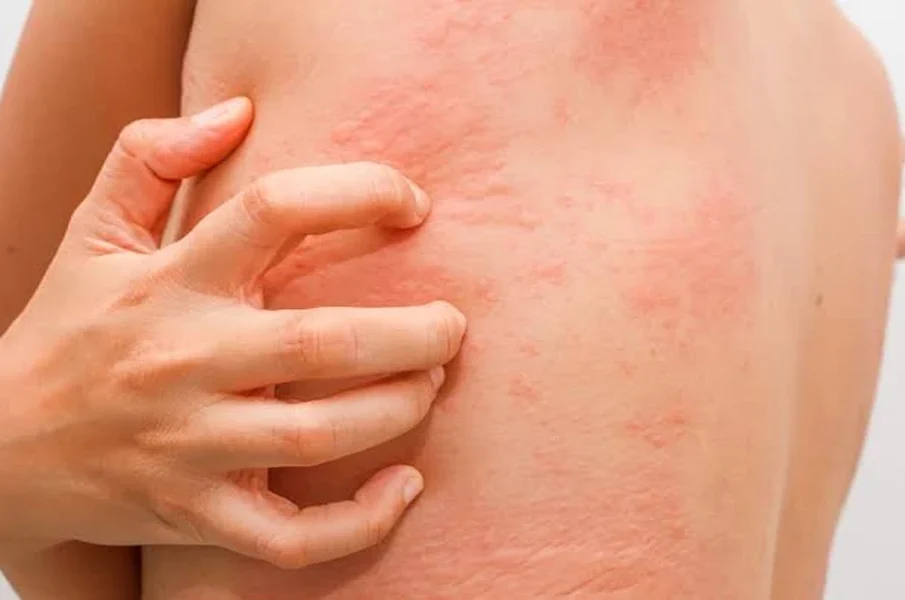
Hives, known as urticaria, bring on red or pale raised patches which itch sorely. The welts may be any part of the body, vary in shape, and disappear hours later. Quite a number of cases will resolve themselves, but others take a longer time and require medical attention. Characteristics of urticaria are:
- Raised, itchy welts: Area of swollen skin that suddenly forms and may change in size and shape.
- Moving patches: Welts that disappear on one part of the body and appear somewhere other on the body.
- Possible swelling beneath the skin: Puffiness under the eyes, lips or hands, which occasionally goes along with the welts.
- Varied duration: Hours or days of episode but in some instances, there are those that persist in a matter of weeks or more.
Easing itch with simple home comfort measures
Mild home care normally reduces the itchiness without causing additional skin irritation. These involve precautions of cooling the skin and eliminating friction. They can be applied to mild cases and can be utilized to supplement medical advice. Some of these useful comfort measures are:
- Cool compresses: Getting a cool cloth and wetting it, then laying it down on the itchy parts of the body in short bursts of time to cool the skin.
- Lukewarm showers: Use cool to-lukewarm water rather than hot water since hot water increases the itching.
- Loose, soft clothing: The breathable cotton clothes worn should be soft and they have to cause minimal rubbing as well as heat entrapment.
- Fragrance-free moisturizers: Unscented lotions are more gently used on the skin as they make the skin not irritated.
Avoiding scratching and irritating habits
Scratching can be somewhat soothing, but usually increases swelling, and can also tear the skin. Some part of daily routine is also known to worsen hives. Avoiding these provisions is beneficial to a more peaceful, easier recovery. Unhealthy habits to avoid are:
- Scratching or rubbing welts: Repetitive rubbing which may cause inflammation of the skin and make it itch and turn red.
- Hot baths and heavy sweating: Exposure to heat that can cause or a prolonged period of hives in certain individuals.
- Harsh soaps and scented products: Powerful detergents and perfumed items that possibly rival seductively with red, tender skin.
- Tight or rough clothing: Fabrics and clothing fits that pinch and rub against the skin and compound pain.
Identifying and reducing possible triggers
The foods, medicines, infection, stress, heat or skin pressure may be associated with hives. Observations of patterns will assist in reducing probable triggers. These links can be identified simply by keeping a simple diary. Some helpful tracking tips are:
- Food and drink notes: Keeping a record on what one eats and what one drinks in order to identify trends prior to an eruption.
- Medicine records: Recording any new medicines or other supplements that have been used prior to onset of symptoms.
- Stress and sleep tracking: Recording stress and poor sleeping which can be accompanied by flare-ups.
- Environmental observations: Recording contact with heat, cold, sunlight, or pressure prior to the development of welts.
A look at the frequently asked questions
Is urticaria itching always a sign of allergy?
Not necessarily, as in most cases, there is no noticeable trigger.
Are hives to be scratched to relieve?
No, scratching may damage the swelling and create lots of skin irritation.
What are the emergency situations with hives?
Facial, or throat swelling, or difficulty breathing requires immediate attention.