
Dry Needling Near Me: What to Know Before Booking
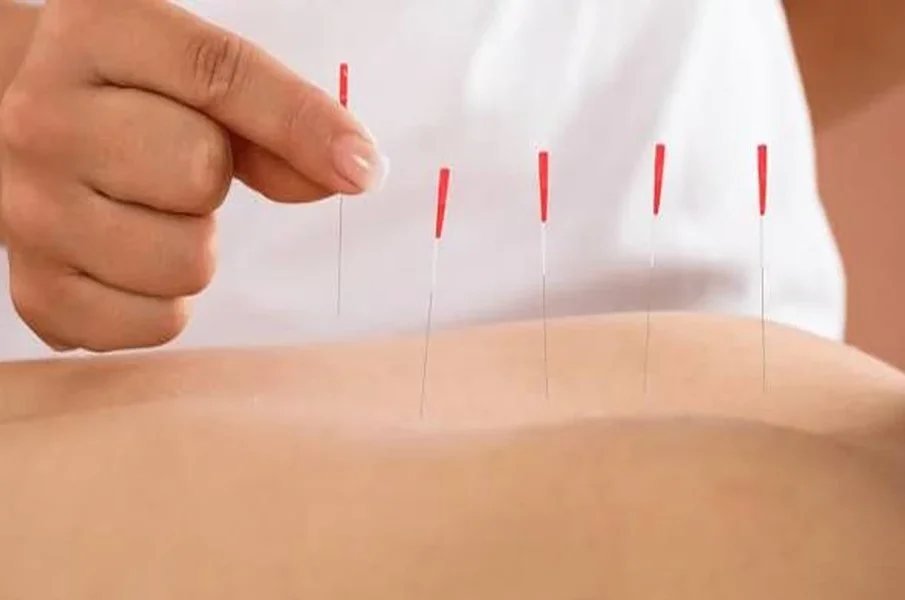
Typing a treatment into a search engine followed by the words “near me” assumes that the closest provider is as good as any other. With needling that assumption is weak. The technique involves inserting fine needles into muscle, the training behind it varies widely, and it is suited to some complaints far more than others. Anyone looking up dry needling near me would do well to spend a few minutes understanding what the treatment is, who should perform it and what it can reasonably achieve before choosing by distance alone.
What Dry Needling Involves
A thin, solid filament needle is inserted through the skin into a taut, tender band of muscle commonly called a trigger point. Nothing is injected, which is where the word dry comes from. The practitioner may move the needle slightly to provoke a brief involuntary twitch in the muscle, then either withdraw it or leave it in place for a short period.
What Should Happen Before Any Needle
Needling should follow an assessment, not replace one. The practitioner needs to take a history, examine the painful region and identify which muscles, if any, are plausibly involved. They should then explain why needling is being suggested, what the alternatives are and what risks apply, and ask for consent. A booking that goes straight to needles without these steps has skipped the part that makes the treatment safe.
How It Differs from Acupuncture
The needles are similar, but the reasoning is not. Acupuncture in the traditional Chinese medicine sense selects points according to meridians and a different diagnostic system, and in Singapore its practitioners are registered under a separate framework. Dry needling is based on anatomy and a musculoskeletal examination, with needles placed directly into the muscles judged to be contributing to pain or restricted movement. The two can feel alike to the patient, yet they are distinct practices with different training routes, and the terms should not be used interchangeably.
Complaints It Is Commonly Used For
Needling is most often offered for muscular pain and tightness: neck and shoulder tension, some tension-type headaches, lower back and buttock pain, tennis elbow, calf and hamstring problems, and stiffness after sports injuries. It is usually one component of a wider plan. A clinician might combine it with exercise, soft tissue work or a chiropractic adjustment when joint stiffness is also contributing. It is not a treatment for fractures, infections, nerve compression or inflammatory disease, and it does not replace a diagnosis.
What the Evidence Supports
Studies suggest dry needling may reduce muscular pain and improve range of movement in the short term, typically over days to a few weeks. Evidence for lasting benefit is weaker, and several trials find it performs no better than other active treatments such as exercise or manual therapy. A fair summary is that it can be a useful adjunct for some people with myofascial pain, not a stand-alone cure, and that results differ considerably from one person to the next.
Sensations During and After Treatment
The insertion itself is often barely felt. When the needle reaches a sensitive band, patients describe a deep ache, a cramp or a sudden twitch that lasts a second or two. Afterwards the area commonly feels bruised or heavy for one to two days, and small spots of bleeding or bruising can appear. Gentle movement, hydration and avoiding very strenuous exercise that day are the usual recommendations.
Risks and Who Should Avoid It
Minor effects such as soreness, bruising, light-headedness and fatigue are fairly common. Serious events are rare but real. Needling over the chest wall, upper back or base of the neck carries a small risk of puncturing the lung, which would cause breathlessness and chest pain and needs emergency care. People who take blood thinners, have bleeding disorders, are pregnant, have a compromised immune system, lymphoedema, a strong needle phobia or an infection at the site should discuss this beforehand, as the treatment may be unsuitable or need modifying.
Checking the Practitioner’s Background
Because several professions offer needling, patients should ask direct questions. What is the practitioner’s primary qualification, and what specific training have they completed in this technique? Do they use sterile, single-use needles and dispose of them in a sharps container? Do they explain the risks and obtain consent before starting? A provider who answers readily, examines before treating and is willing to say when needling is not appropriate is a safer choice than one who is merely convenient.
Where Needling Sits in a Back Pain Plan
For lower back complaints, needling is seldom the main event. It may ease muscle guarding enough to make movement and exercise more comfortable, which is where the lasting gains tend to come from. Someone consulting a chiropractor for back pain might be offered it alongside joint mobilisation, graded activity and advice on work postures. Leg pain with numbness or weakness, loss of bladder or bowel control, or numbness in the saddle area are not muscular problems and need medical assessment before any needling is considered.
Questions to Settle Before You Book
Decide first whether the problem is likely to be muscular; if unsure, book an assessment and let needling be one possible outcome. Confirm the practitioner’s training, the cost per session and whether an examination is included. Ask how many sessions are expected and what else the plan contains. Disclose medication and health conditions in full. Treat two or three sessions as a fair trial. If there is no clear change in pain or movement by then, further needling is unlikely to add much.