Optical Lenses With Coatings: What Do They Actually Do?
Choosing the right optical lenses is not only about your prescription. Lens coatings can also affect how your glasses feel, how clear your vision looks, and how well your lenses hold up to daily use. Some coatings reduce glare. Others help protect against scratches, UV rays, or changing light conditions.
With so many options available, it can be confusing to know which coatings are useful and which ones you actually need. This guide explains common lens coatings in simple terms, so you can make a more confident choice the next time you update your glasses.
What Are Lens Coatings?
Lens coatings are thin layers added to the surface of your lenses. They are designed to improve comfort, clarity, protection, or durability.
Some coatings are added to the front of the lens. Others may be applied to both the front and back. The right coating depends on your lifestyle, where you wear your glasses, and how often you use digital screens or spend time outdoors.
For many people, coatings are not just “extras.” They can make glasses easier to wear every day.
Anti-Reflective Coating
Anti-reflective coating, also called AR coating, helps reduce glare and reflections on your lenses.
This can make your vision feel clearer, especially when you are:
- Driving at night
- Working under bright office lights
- Looking at screens
- Taking photos while wearing glasses
- Talking to people face to face
Without this coating, light can bounce off the lens surface. This may cause distracting reflections or make your lenses look shiny. AR coating helps more light pass through the lens, which can improve visual comfort.
It is a practical option for people who wear glasses full time, especially those who drive often or work indoors under strong lighting.
Scratch-Resistant Coating
No lens is completely scratch-proof. However, a scratch-resistant coating can help make lenses more durable.
This coating adds a harder surface layer to reduce the chance of small scratches from everyday handling. It is especially helpful if you:
- Wear your glasses daily
- Place your glasses in bags
- Clean your lenses often
- Have children’s glasses
- Use lightweight plastic lenses
Even with this coating, proper care is still important. Avoid wiping dry lenses with tissue or clothing, as dust can rub against the surface. Use a microfiber cloth and lens-safe cleaner instead.
Scratch-resistant coating helps extend the life of your lenses, but it works best when paired with good cleaning habits.
Blue Light Filtering Coating
Blue light filtering lenses are designed to reduce some blue-violet light from digital screens and artificial lighting.
Many people choose this coating because they spend long hours using laptops, phones, or tablets. It may help reduce visual discomfort for some wearers, especially when paired with better screen habits.
However, blue light coating should not be seen as a complete solution for tired eyes. Eye strain is often caused by long screen time, reduced blinking, dry eyes, poor lighting, or an outdated prescription.
To support your eyes during screen use, try to:
- Take regular screen breaks
- Blink more often
- Adjust screen brightness
- Keep your screen at a comfortable distance
- Update your prescription when needed
Blue light filtering may be useful for comfort, but it works best as part of a bigger eye care routine.
Photochromic Coating
Photochromic lenses darken when exposed to sunlight and become clear again indoors. They are often known as light-adaptive lenses.
This option is useful if you move between indoor and outdoor spaces throughout the day. Instead of switching between regular glasses and sunglasses, photochromic lenses adjust to changing light.
They can be helpful for:
- Commuting
- Walking outdoors
- Travelling
- Running errands
- People who prefer one pair of glasses for daily use
One thing to note is that some photochromic lenses may not darken as much inside a car because windshields can block some UV light. Newer lens types may perform better in different light conditions, so it is worth asking your optician about the best option for your needs.
Polarised Lenses
Polarised lenses reduce glare from reflective surfaces. These include roads, water, glass, and shiny floors.
They are commonly used in sunglasses and are helpful for outdoor activities such as:
- Driving
- Fishing
- Cycling
- Walking near water
- Spending time at the beach
Polarised lenses can make outdoor vision feel more comfortable and reduce harsh brightness. However, they may make some digital screens harder to see at certain angles. This is something to consider if you often look at dashboards, phones, or screens while outdoors.
Anti-Smudge and Water-Repellent Coatings
Some lenses include coatings that help resist fingerprints, dust, water, and oil.
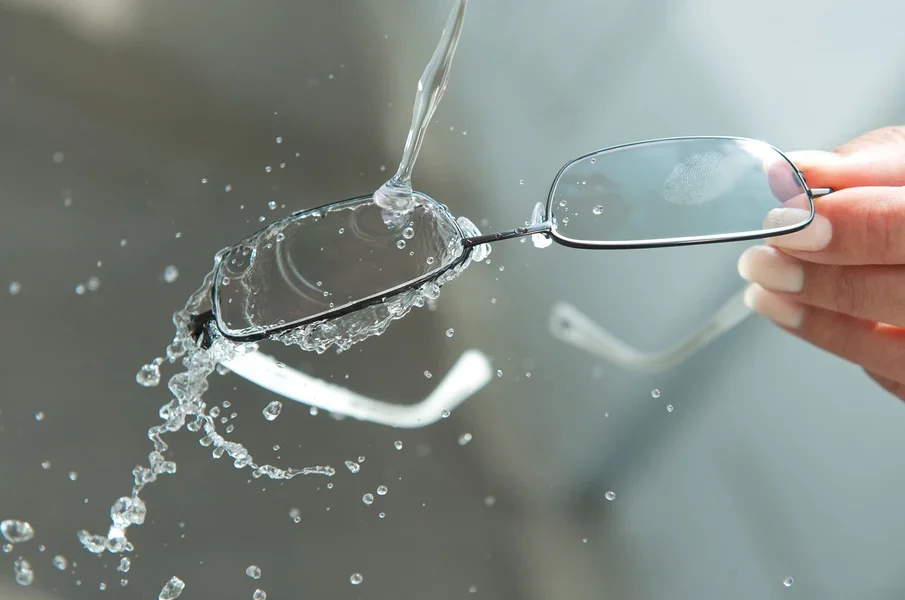
These coatings do not stop lenses from getting dirty, but they make them easier to clean. Water droplets may slide off more easily, and fingerprints may wipe away faster.
This is useful if you wear glasses daily or live in humid weather. It can also help people who remove and put on their glasses often throughout the day.
Which Lens Coating Do You Really Need?
The best coating depends on how you use your glasses.
Here is a simple way to think about it:
- For daily wear: anti-reflective and scratch-resistant coatings are useful.
- For outdoor use: UV protection and photochromic lenses may help.
- For driving: anti-reflective coating and polarised sunglasses can improve comfort.
- For screen work: blue light filtering may help some people, but screen breaks still matter.
- For easy cleaning: anti-smudge or water-repellent coatings can be practical.
You do not always need every coating. A good optician can help you choose based on your prescription, frame choice, and daily routine.
Spectacle Hut offers lens options from brands such as Essilor, Nikon, Shamir, and Transitions(R), along with personalised eye care services to help customers understand what suits their everyday vision needs.
Final Thoughts
Lens coatings can make a real difference in how your glasses perform. They can reduce glare, protect against UV rays, improve durability, and make lenses easier to clean. The key is to choose coatings that match your lifestyle instead of adding features you may not use.
When comparing different optical lens options, think about your daily habits first. The right combination can help your glasses feel clearer, more comfortable, and better suited to the way you live.