Why Allergy Symptoms Feel Worse in Your Own Home
You probably expect relief when you finally step inside after a long day. That deep breath should feel like comfort, not irritation. But instead, your nose twitches, eyes water, and your breathing feels tight. It doesn’t make sense, right? You’re at home, where you’re supposed to feel safe. And yet, the allergy symptoms feel even stronger. If that sounds familiar, you’re not alone.
Your house might feel like a refuge, but it could be full of things that quietly make you sick.
Your Home Feels Safe—but It Traps What Hurts You
Outdoor air moves freely. Indoors, it doesn’t. That means pollen, pet fur, dust mites, and mould spores can linger. Unless your home is well-ventilated and cleaned often, these tiny triggers settle into your furniture and floors. Every time you move or tidy up, they rise back into the air.
Singapore’s warm, humid air makes things worse. Even clean homes can trap these invisible irritants in fabric, carpets, and curtains. And if you’re already feeling nasal allergy symptoms, your home may turn light discomfort into something harder to ignore.
You’re Trying Hard—But Could Be Making Things Worse
Maybe you light incense or scented candles to relax. You may clean every week. But some of these habits bring in or stir up allergens. Pollen enters through windows. Smoke and strong scents can irritate your nose. Dusting or sweeping without the right tools can send particles floating through the air.
And pets? They carry pollen, fur, and other allergens wherever they go. These settle into sofas, rugs, and even your clothes. These are just some of the common allergy triggers that slip in without warning.
Your Bedroom Should Help You Rest—Not Trigger Sneezing
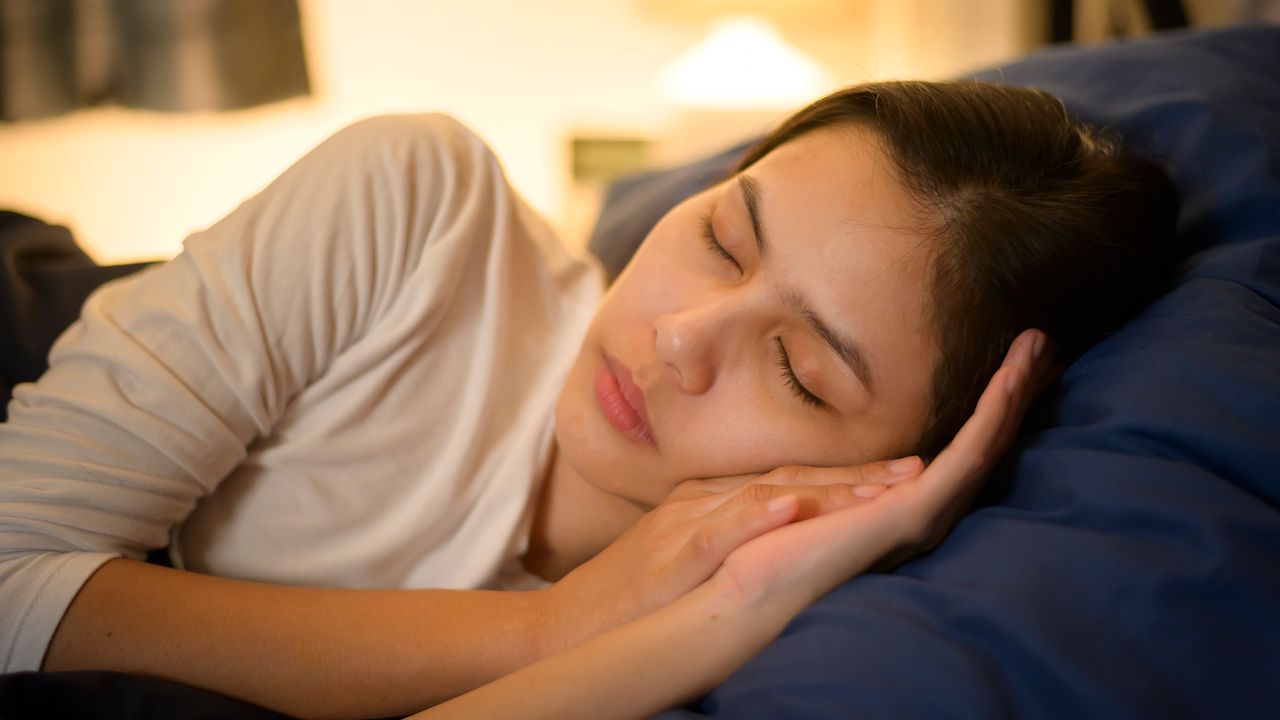
You likely spend hours in your bedroom every night. But if you’re not washing sheets often or replacing old pillows, you could be sleeping in a bed full of dust mites. Thick curtains and carpets also hold onto allergens for longer than you’d think.
Soft fabrics and cushioned headboards may feel cosy, but they can trap particles you can’t see. If you’re waking up with a blocked nose or itchy eyes, your room might need a few changes.
Mould Might Be Lurking Where You Least Expect It
Some mould is easy to spot. Other times, it hides in air-con vents, behind sinks, or under rugs. You may notice a smell before you ever see a patch. That musty scent in your bathroom or laundry area? It’s a sign mould could be growing.
Singapore’s damp air gives mould a head start. It grows in places that stay moist and don’t get cleaned often. That’s when symptoms show up—sore throat, runny nose, tiredness, and coughs that won’t quit. You may think you’re just tired or run down, but the air inside might be part of the reason.
Recycled Air Might Be What’s Draining You
Indoor air doesn’t refresh itself. Without a purifier or steady airflow, the same air circles around day and night. That means you keep breathing in the same dust and spores.
That’s why allergy symptoms can feel more intense at home. You’re always exposed. There’s no break. Your immune system stays alert, even when you’re trying to rest.
Cleaning your AC filters and opening windows after a rainstorm helps too. If you’ve been searching for seasonal allergy relief, cleaning up your air at home is one of the easiest steps to start with.
Your Body Isn’t Weak—It’s Overwhelmed
People think they’re allergic to one thing—like dust, pollen, or cats. But in reality, most people react to several triggers at once. These pile up. When your body reacts to one, it’s more likely to react to others too.
This build-up means you don’t always know what caused your reaction. Maybe it was the candle scent. Maybe the pillow. Or the air-con. When they hit you all at once, symptoms get worse.
That’s why allergy treatment options often involve more than just medicine. Changing your space matters too. Relief doesn’t just come from pills—it comes from reducing your exposure where you live and sleep.
You Deserve a Space That Helps You Heal
You don’t need to clean every hour. But you do need small, steady changes. Cover your mattress and pillows. Get rid of rugs or heavy drapes if you can. Clean the air-con vents. Turn on fans in the kitchen and bathroom to keep things dry.
In humid places, like Singapore, a dehumidifier is a smart move. Just remember to empty it and clean it often. If you have pets, give them their own space—ideally not your bed.
These small habits reduce allergens at the source. And when you do need extra help, keeping the best antihistamines for allergies on hand gives your body a little breathing room. You don’t have to live in fear of the next sneeze or blocked nose.
If You’ve Tried Everything and Still Feel Off—Ask for Help
You’ve cleaned up. You’ve washed everything. But your body still reacts. At this point, it may be time to talk to an expert. Air quality testers can find issues you may miss. Things like hidden mould or chemical build-up from furniture. These can affect your health without any warning.
Your doctor or allergist can also help. Testing might show you triggers you didn’t know about. Or maybe what feels like allergies is something more serious, like asthma. Don’t wait and wonder—get answers.
The most important thing is knowing you’re not imagining it. You deserve to feel better. And the best place to start? Understanding your allergy symptoms and what might be setting them off. That’s the first step toward lasting comfort.