Root Canal vs Extraction: How Dentists Decide

When a tooth becomes severely damaged or infected, dentists must determine the most appropriate treatment to restore oral health. Two common options are root canal therapy and tooth extraction. While both procedures address serious dental problems, they serve different purposes and are recommended under different circumstances.
Patients often feel uncertain when faced with these treatment choices. Understanding how experienced dentists evaluate a tooth and decide between saving it or removing it can help patients feel more informed and confident about their care.
Understanding Root Canal Treatment
A root canal is a procedure designed to save a natural tooth that has become infected or severely inflamed. Inside every tooth is a soft tissue called the pulp, which contains nerves and blood vessels. When bacteria reach this area due to deep decay, cracks, or trauma, infection can develop.
During a root canal procedure, the dentist removes the infected pulp, carefully cleans the root canals, and seals the inside of the tooth. After the treatment, the tooth is usually restored with a crown to protect its structure and restore full function.
Patients who require bold root canal treatment often experience symptoms such as persistent tooth pain, sensitivity to temperature, swelling around the gums, or darkening of the affected tooth.
What Happens During a Tooth Extraction
In some cases, a tooth may be too damaged to repair effectively. When this happens, the dentist may recommend extracting the tooth entirely.
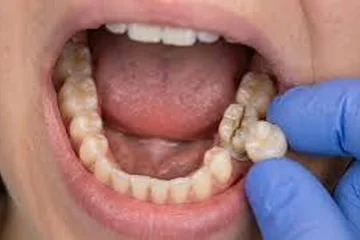
Tooth extraction involves removing the tooth from its socket in the jawbone. Dentists may suggest this option if the tooth cannot be restored or if keeping it could lead to ongoing infection or complications.
After extraction, dentists typically recommend replacing the missing tooth with options such as dental implants, bridges, or dentures to maintain proper bite function.
Factors Dentists Consider Before Making a Decision
Dentists carefully evaluate several factors before recommending either a root canal or an extraction. The goal is always to preserve natural teeth whenever possible, but this depends on the condition of the tooth and surrounding structures.
Key considerations include:
Extent of Tooth Damage
If the tooth structure is still strong enough to support a restoration such as a crown, a root canal may be the preferred option. However, if the tooth is severely fractured or has extensive decay, extraction may be necessary.
Level of Infection
The severity and location of the infection also play an important role. If the infection can be fully removed through root canal therapy, the tooth may be saved. In cases where infection has spread extensively, extraction may be the safer solution.
Gum and Bone Health
Healthy surrounding bone and gum tissue increase the chances of successful root canal treatment. If significant bone loss or advanced gum disease is present, extraction may sometimes be recommended.
Long-Term Prognosis
Dentists also consider how well the tooth is likely to function in the long term. If a treated tooth can remain stable and functional for many years, preserving it is often the preferred approach.
Advantages of Saving a Natural Tooth
Whenever possible, dentists try to preserve natural teeth because they provide the best long-term function and stability.
Benefits of root canal treatment may include:
- Maintaining the natural tooth structure
- Preserving normal chewing ability
- Preventing shifting of surrounding teeth
- Avoiding bone loss that may occur after extraction
Keeping the natural tooth can also simplify overall dental care since replacement treatments are not required.
When Extraction May Be the Better Option
Although saving a tooth is usually the first goal, extraction may be necessary in certain situations.
Dentists may recommend extraction when:
- The tooth is severely cracked below the gum line
- Extensive decay has destroyed most of the tooth structure
- Advanced gum disease has weakened the supporting bone
- Repeated dental infections continue to occur
After removal, patients can discuss tooth replacement options to restore both function and appearance.
Importance of Professional Evaluation
Determining the right treatment requires a thorough dental examination, including X-rays and a detailed assessment of the tooth’s structure and surrounding tissues.
Dental professionals evaluate each case individually before recommending the most suitable solution. Clinics such as Cambridge Centre Dental Care often perform comprehensive assessments to determine whether saving the tooth is possible or if extraction would provide better long-term oral health.
Recovery and Aftercare
Both root canal therapy and tooth extraction require proper aftercare to ensure successful healing.
Patients are generally advised to:
- Maintain good oral hygiene
- Follow post-treatment instructions carefully
- Avoid chewing hard foods on the treated area during healing
- Attend follow-up dental visits as recommended
Proper care helps ensure that treatment results remain stable and that any complications are addressed early.
Final Thoughts
Root canal therapy and tooth extraction are both effective treatments for addressing severe tooth damage or infection. Dentists carefully evaluate the condition of the tooth, surrounding tissues, and long-term prognosis before recommending a treatment.
In many cases, saving the natural tooth with root canal therapy is preferred when possible. However, extraction may be necessary when the tooth cannot be restored safely.
Consulting a qualified dental professional allows patients to understand their options and choose the treatment that best supports their long-term oral health.