
What Happens If You Delay Cataract Surgery?
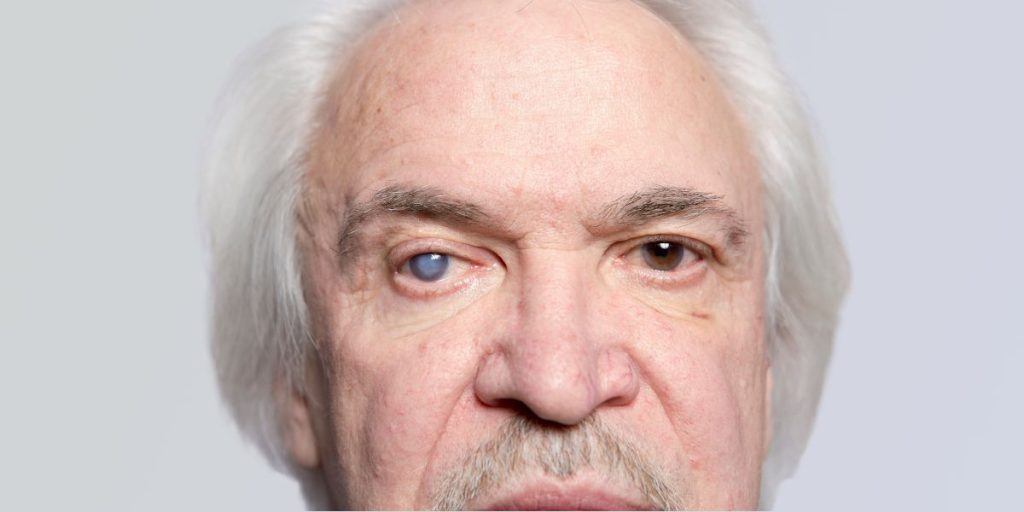
Cataracts are a common eye condition that develops gradually, clouding the lens and impairing vision over time. While they often start with minimal symptoms, cataracts can slowly begin to affect your quality of life. For many people, the question arises: what really happens if you delay cataract surgery? Understanding the consequences of postponing cataract surgery can help you make timely decisions for your eye health and overall well-being.
Gradual Decline in Vision
One of the most obvious consequences of delaying cataract surgery is a steady decline in vision. Cataracts cause your eye’s natural lens to become cloudy, which affects your ability to see clearly. Over time, tasks like reading, driving, recognizing faces, or navigating in low-light conditions become more difficult.
Initially, this decline may seem manageable—you might just need stronger glasses or better lighting. But as the cataract worsens, no amount of correction can restore your vision until the cloudy lens is replaced. Waiting too long may mean living with blurry, dim, or yellowed vision for months or even years, which can significantly impact your independence and confidence.
Safety Risks and Reduced Quality of Life
Poor vision doesn’t just affect how well you see—it can also put your safety at risk. Delayed cataract surgery can increase the chances of falls, especially in older adults. Difficulty seeing steps, curbs, or uneven surfaces is a serious hazard and can lead to injuries that require hospitalisation or long recovery times.
In addition, driving with advanced cataracts can become dangerous. Glare from headlights or difficulty seeing road signs can compromise your ability to drive safely, and in some regions, it may even cause you to fail vision tests for driving licenses.
Beyond physical safety, poor vision can reduce your ability to enjoy life. Hobbies like reading, sewing, gardening, or even watching TV may become frustrating or impossible. This can lead to feelings of isolation, anxiety, or depression—particularly in older adults who rely on their vision to stay active and engaged.
Progression to Advanced Cataracts
Cataracts don’t just stop growing once they start. Over time, they become denser and harder. As a cataract progresses to an advanced stage, the lens becomes more opaque and rigid. This not only worsens your symptoms but can also make surgery more complex.
When cataract surgery is performed early, the cloudy lens is typically softer and easier to remove. In contrast, a mature or “hyper-mature” cataract can be much harder to break up, making the surgery technically more challenging and potentially increasing the risk of complications.
Your ophthalmologist may still be able to perform the surgery successfully, but the longer you wait, the more likely you are to need a more complicated procedure and a longer recovery time.
Impact on Other Eye Conditions
Another consequence of delaying cataract surgery is its effect on other eye conditions. For example, if you have glaucoma, diabetic retinopathy, or age-related macular degeneration, the presence of a dense cataract can make it more difficult for your eye doctor to monitor or treat these issues.
In some cases, cataracts can even interfere with the effectiveness of treatments, such as laser therapy for glaucoma or retinal injections. Removing the cataract may not only improve your vision but also allow better management of other coexisting eye diseases.
When Is the Right Time for Surgery?
The ideal time for cataract surgery is different for everyone. Many people are advised to wait until their vision is noticeably affecting daily life. This could mean struggling with tasks like reading, driving, or using a computer. Others may require surgery sooner if the cataract is progressing quickly or interfering with the diagnosis or treatment of other eye conditions.
It’s important to have regular eye exams and communicate openly with your ophthalmologist. Together, you can assess how much your vision is affecting your lifestyle and decide when cataract surgery makes sense for you.
Conclusion
While it might seem convenient to delay cataract surgery—especially if the symptoms are mild at first—waiting too long can lead to worsening vision, increased risks, and potentially more difficult surgery later on. Cataract surgery is a safe and effective procedure that can restore vision, improve quality of life, and even reduce the risk of falls and accidents. If you’ve been diagnosed with cataracts and are unsure about the timing of surgery, speak to your eye specialist. Early intervention can make a world of difference in preserving your sight and maintaining your independence.