Essential Requirements to Donate Plasma: A Complete Guide
Understanding Plasma: The Lifeblood of Donation
What Is Plasma and Why Is It So Important?
Plasma is the yellowish liquid component of blood that remains after red blood cells, white blood cells, and platelets are removed. It constitutes about 55% of total blood volume and is primarily composed of water (about 90%), along with proteins, salts, and other substances. The proteins in plasma include albumin, globulins, and fibrinogen, which play critical roles in maintaining blood pressure and volume, fighting infections, and facilitating blood clotting.
The importance of plasma cannot be overstated; it acts as a carrier for various components, such as nutrients, hormones, and waste products, allowing them to move throughout the body. Additionally, plasma is vital in managing the body’s pH balance and in regulating body temperature. Medical professionals harness this vital fluid for a variety of treatments and therapies, including those for clotting disorders, immune deficiencies, and burn patients, making its donation exceptionally important in modern medicine.
The Role of Plasma in Modern Medicine
In contemporary medical practice, plasma donation serves a myriad of purposes. Plasma derived from donations is often used to produce life-saving therapies for diseases that derive from immune system deficiencies, such as primary immunodeficiencies, and autoimmune diseases. One of the most critical products made from plasma is immunoglobulin (IG), a preparation used to enhance immunity in individuals suffering from certain conditions.
Moreover, plasma is utilized in the treatment of severe burn victims and trauma cases, where it can help restore blood volume and improve circulation. The clotting factors extracted from plasma are crucial for hemophiliacs, who need these therapies to manage their condition. With advancements in medical technologies, such as the development of clotting factor concentrates, the therapeutic applications of donated plasma have expanded significantly, underscoring its crucial role in healthcare.
Interesting Facts About Plasma and Donors
Plasma donation is not just beneficial; it is also fascinating to learn about the process itself and the incredible facts surrounding it. For one, the body is approximately 50% to 60% plasma, indicating just how integral it is to our biological systems. Interestingly, a single donation session can yield approximately 800-900 milliliters of plasma, which can potentially save multiple lives.
Donors often wonder about their impact. Studies have shown that regular plasma donation can significantly enhance the recipient’s quality of life. For example, each donor can help an estimated 30 to 50 patients annually, making plasma donation not just a selfless act but a profound contribution to the community. Furthermore, plasma donors can return to donate every 28 days, allowing frequent contributions, enhancing the supply of this vital resource while maintaining donor health.
Eligibility Criteria: Who Can Become a Plasma Hero?
Health Requirements: What Do You Need to Qualify?
Becoming a plasma donor is an admirable pursuit, but it comes with specific health-related criteria to ensure the safety of both the donor and the recipient. Among the key requirements to donate plasma is being in good general health, free from chronic illnesses or infections that may compromise the donation process. This includes being free of certain communicable diseases such as HIV, hepatitis, and syphilis. A thorough health screening conducted by medical personnel is a prerequisite to determine eligibility, which typically includes a questionnaire about medical history, lifestyle, and current health status.
Furthermore, it is essential that potential donors aren’t taking medications that could pose risks to plasma recipients. Certain medications may disqualify an individual temporarily or permanently, necessitating an open discussion with the donation center staff about medication history and other pertinent health concerns.
Age, Weight, and Other Factors: Are You the Right Match?
In addition to health conditions, there are also strict age and weight requirements to ensure the safety of the donor. Generally, individuals must be at least 18 years old and weigh a minimum of 110 pounds (50 kilograms). However, these requirements may vary slightly among different donation facilities. Generally, younger individuals between the ages of 18 and 24 are ideal candidates, as their plasma often contains higher levels of immunoglobulins and proteins, increasing its therapeutic value.
Additionally, blood volume plays a vital role, where a donor’s weight correlates with the amount of plasma that can be safely extracted. Those weighing more can usually donate larger amounts, therefore making a larger impact. The donation center will typically calculate a safe volume for extraction based on individual body weight. Potential donors should ensure they understand the requirements of their specific local plasma donation center, as these can vary slightly in terms of these eligibility criteria.
Common Myths About Plasma Donation Debunked
Amid the significance of plasma donation, various myths have emerged that can deter potential donors from participating. One common myth is that donating plasma is painful; however, many donors report that the process is largely painless, with only minor discomfort during needle insertion. Additionally, some individuals believe that donating plasma can lead to weakness or health issues. On the contrary, the human body rapidly replenishes plasma, and most donors report feeling completely fine afterward.
Another misconception is that donating plasma interferes with vaccinations. Research shows that donating plasma does not affect vaccination efficacy and can even enhance the immune response. It is essential to dispel these myths to encourage more people to contribute to this life-saving endeavor, as potential donors benefit from accurate information regarding the process and its safety.
Preparing for Your Plasma Donation: A Comprehensive Checklist
What to Eat and Drink Before Your Appointment
Preparation is crucial before your plasma donation appointment to ensure a smooth experience and optimal donation. A balanced diet leading up to the donation is essential, particularly a meal rich in protein, iron, and hydration. Foods such as lean meats, beans, eggs, and leafy greens can help build the necessary plasma volume and ensure that your iron levels are sufficient for the donation process.
Staying hydrated is equally important, as ample fluid intake aids in blood circulation and can make the donation easier. Aim to drink at least 8 to 10 glasses of water in the days leading up to your donation. On the day of your appointment, having a light meal and avoiding fatty foods is recommended as excessive fats can make the plasma appear cloudy, complicating the donation process.
What to Expect During the Donation Process
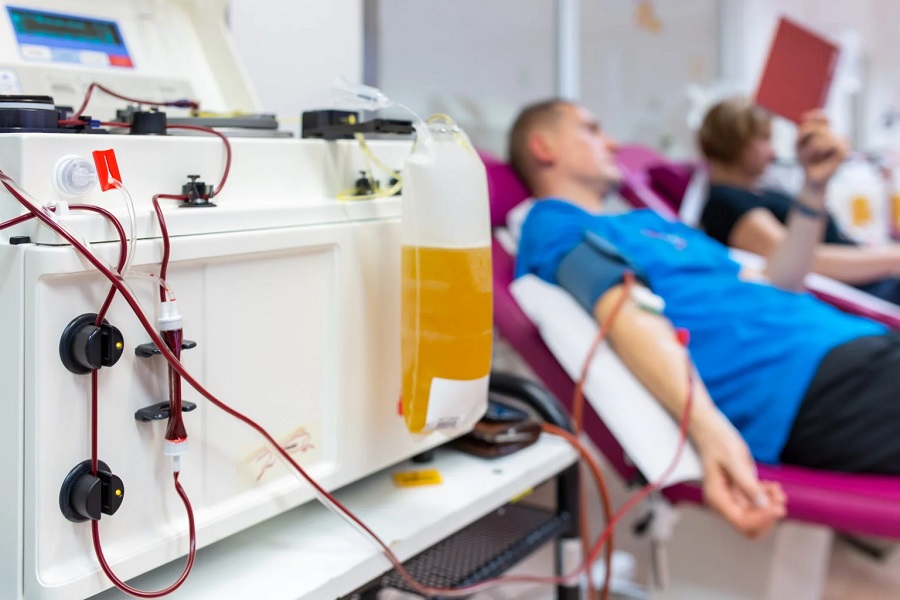
Arriving at the donation center may feel overwhelming, but understanding what to expect can ease any anxiety. After checking in and completing preliminary paperwork, you will undergo a brief health screening to assess your eligibility for donation. Once cleared, medical staff will guide you to the donation area, where you will be seated comfortably. A sterile needle will be inserted into your arm, and the blood will begin to flow into a sterile collection bag via a process called plasmapheresis.
This process may last approximately 45 minutes to an hour, during which you can relax, read, or listen to music. Some donation centers even offer refreshments to make your experience more pleasant. The amount of plasma collected is monitored continuously, and staff is always available to ensure your comfort and address any concerns. Once the donation is complete, you will be asked to rest for a short period before resuming your activities.
Post-Donation Care: How to Ensure a Smooth Recovery
After donating plasma, proper aftercare plays a crucial role in helping your body recover. First, it is essential to hydrate well by drinking additional fluids like water and electrolyte-rich beverages. This aids in restoring blood volume and overall comfort. Having a small snack or meal high in protein can also help replenish your energy levels and maintain stable blood sugar levels.
Additionally, individuals should avoid strenuous activities or heavy lifting for the rest of the day and consider wearing a bandage over the donation site until any minor bleeding has completely stopped. It’s also wise to avoid alcohol for at least 24 hours after donation as it can lead to dehydration and may hinder recovery. Keeping the area clean and monitoring for any signs of complications, such as extreme pain or swelling at the donation site, is essential to ensure a smooth recovery.
The Ripple Effect: How Your Donation Makes a Difference
Understanding Where Your Plasma Goes and Its Impact
The impact of plasma donation extends far beyond the immediate situation of the donation center, creating ripples that can affect countless lives. Once collected, plasma undergoes processing and testing to ensure it is safe for use. Following this, it is fractionated into various components, each serving a unique purpose. For example, clotting factors can be concentrated to form Factor VIII and IX, crucial for hemophilia patients. Other products include albumin, used to treat burns and liver diseases, and immunoglobulin, which helps boost the immune response in at-risk individuals.
Moreover, the range of diseases and conditions that rely on plasma products continues to expand with advancements in research and medical technology. The knowledge that your donation can impact everything from treating trauma victims to aiding those with chronic illnesses illustrates the undeniable importance of plasma donation. Each vial of plasma infused with healing properties has the potential to change lives: a testament to how one person’s decision to donate can create a better future for others.
Testimonials from Recipients: Real Stories of Life-Saving Plasma
Nothing speaks louder than the voices of those whose lives have been directly impacted by plasma donation. Recipients often share heartfelt stories about how plasma products have transformed their conditions. One recipient, Emma, who suffers from a rare autoimmune disorder, explains how regular infusions of immunoglobulin have allowed her to regain control of her life, once limited by frequent infections and fatigue. She conveys a heartfelt message to donors: “Your generosity has given me back my health and hope. Thank you for being willing to be there for people like me.”
Another recipient, John, a hemophiliac, expresses profound gratitude towards plasma donors who helped make it possible for him to lead a relatively normal life despite his condition. “Without the clotting factor concentrates made from plasma, I would struggle with daily activities and face life-threatening bleeding episodes. Each donation carries the potential to save lives like mine,” he states, highlighting the powerful impact donors have. Such testimonials show that plasma donation goes beyond mere medical supplies; it represents a lifeline for numerous individuals facing significant health challenges.
Joining the Plasma Donation Community: Networking and Support
When you decide to donate plasma, you’re stepping into a vast and supportive community that values altruism and collaboration. Many donation centers encourage donors to engage with one another through community events, donor recognition programs, and support groups. This networking allows donors to share their experiences, discuss their motivations for donating, and learn from one another about best practices and tips for effective donations.
Engaging in this community not only enhances your experience as a donor, but it also fosters a sense of belonging and collective purpose. Each member of the plasma donation community contributes to a greater mission of saving lives, and being part of this mission can create lasting friendships and networks of support. The sharing of personal journeys and meeting individuals who have been positively impacted by plasma donation can inspire continued participation, making the act of donation an emotionally rewarding endeavor that reflects acts of compassion and humanity. By joining this community, you not only contribute your plasma but also become part of a movement larger than yourself, bound by the shared goal of alleviating suffering and improving health outcomes for those in need.