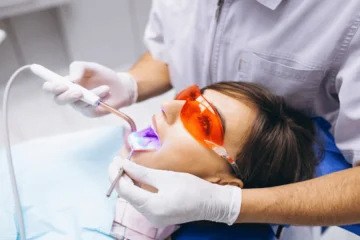
Invisalign: The Clear Path to a Confident Smile

Invisalign (click here for more details) has revolutionised the world of orthodontics by offering a modern, discreet, and comfortable alternative to traditional metal braces. Instead of wires and brackets, Invisalign uses a series of clear, removable aligners that gradually straighten your teeth. It’s become the go-to choice for both adults and teens looking for a convenient way to improve their smile without the visibility and discomfort of braces.
What Is Invisalign?
Invisalign is a type of orthodontic treatment designed to align teeth using custom-made, transparent plastic trays. Each set of aligners is worn for about two weeks before switching to the next one in the series, gently moving teeth into their desired positions. The treatment is guided by advanced 3D imaging, allowing patients to see their projected results even before starting.
How Does Invisalign Work?
Your dentist or orthodontist begins with a digital scan of your teeth, which replaces the need for traditional moulds. This scan is used to create a precise digital treatment plan. Once approved, the aligners are manufactured to fit snugly over your teeth.
Each aligner applies targeted pressure to specific teeth, gradually shifting them. You’ll typically wear the aligners for 20–22 hours a day, removing them only to eat, drink, brush, and floss.
Benefits of Invisalign
- Virtually Invisible:
The clear material makes the aligners barely noticeable, which is why Invisalign is particularly popular among adults and professionals. - Comfortable and Smooth:
With no metal wires or brackets, Invisalign aligners are far more comfortable and cause less irritation to the gums and cheeks. - Removable and Convenient:
You can take them out to eat or for special occasions, which makes maintaining oral hygiene much easier compared to braces. - Predictable Results:
The digital treatment plan shows how your teeth will move over time, so you can track progress and know what to expect. - Fewer Dental Visits:
Since there are no adjustments or tightening sessions, you usually visit your dentist every 6–8 weeks just for progress checks.
Who Is Invisalign For?
Invisalign can treat a wide range of cases, including:
- Crooked or crowded teeth
- Gaps between teeth
- Overbite, underbite, and crossbite
- Mild to moderate misalignments
Severe cases may still require traditional braces, but Invisalign has advanced significantly, and newer systems like Invisalign Comprehensive can handle more complex cases.
Invisalign vs. Braces
While both straighten teeth effectively, Invisalign offers a level of freedom and discretion that braces cannot. Traditional braces are often more affordable and may be more effective for very complex movements, but for many patients, the convenience and aesthetics of Invisalign make it the clear winner.
What to Expect During Treatment
Most Invisalign treatments last between 6 and 18 months, depending on the complexity of your case. During that time, you’ll wear a new set of aligners every one to two weeks. Mild discomfort is normal at the start of each new set as your teeth adjust.
After your treatment, you’ll need to wear retainers—just like after braces—to keep your teeth in their new positions.
Is Invisalign Worth It?
For many people, Invisalign offers the perfect blend of effectiveness, comfort, and confidence. The ability to straighten teeth without disrupting daily life makes it a popular and worthwhile investment.
If you’re considering Invisalign, it’s best to schedule a consultation with your dentist or orthodontist. They’ll assess whether you’re a good candidate and discuss your treatment goals.
In short: Invisalign is more than just an aesthetic solution—it’s a lifestyle-friendly approach to achieving a healthier, straighter smile. With modern technology, custom precision, and near invisibility, it’s no wonder that millions around the world are choosing Invisalign to transform their smiles.