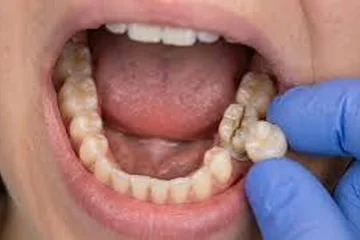
Root Canal Treatment Explained in Simple Terms
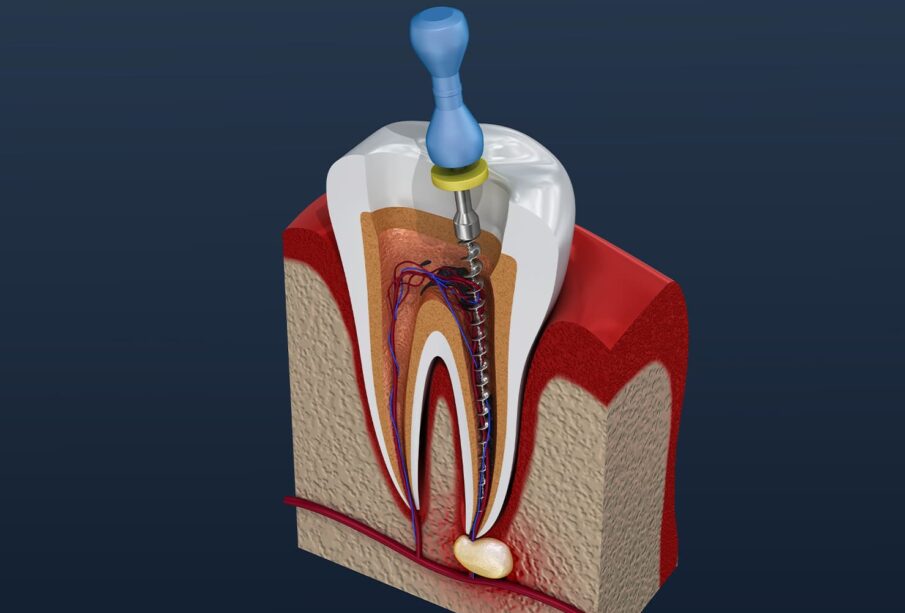
A root canal is a common dental treatment that helps save a tooth that is badly damaged or infected. Inside each tooth is a soft inner tissue known as the pulp. The pulp contains nerves and blood vessels. When this pulp becomes infected, it can cause pain and swelling. A root canal removes the infection and allows you to keep your natural tooth instead of having it removed.
Tooth pulp can become infected for several reasons. The most common causes are deep cavities, cracks in the tooth, or injuries that let bacteria reach the inside of the tooth. If you suspect a problem, visiting a dentist near me can help you get timely treatment. Sometimes, you may not notice a problem right away. Over time, the infection can spread and cause more serious issues if it is not treated.
There are several signs that may mean you need a root canal. These include strong tooth pain, pain when chewing, swollen or tender gums, a pimple-like bump on the gums, or a tooth that looks darker than the others. Some people also feel pain that spreads to the jaw, face, or nearby teeth. If you notice any of these symptoms, it is important to see a dentist as soon as possible.
Before starting treatment, the dentist will examine your tooth. They may take X-rays and test how your tooth reacts to pressure or hot and cold temperatures. These steps help confirm whether the pulp is infected.
During a root canal, the dentist first numbs the area so you do not feel pain. The dentist makes a tiny opening in the top of the tooth to access the pulp. The infected tissue is then gently taken out, and the inside of the tooth is thoroughly cleaned and sanitized. Once clean, the empty space is filled with a special rubber-like material to seal it. The tooth is then sealed with a temporary filling.
In most cases, a permanent crown is placed on the tooth at a later visit. The crown protects the tooth, restores its strength, and helps it function normally when you bite or chew. The entire process usually takes one to two visits, and each visit lasts about one to one and a half hours.
The benefits of a root canal are significant. It removes infection, relieves pain, prevents the infection from spreading, and saves your natural tooth. Most root canals are very successful and can last many years, often a lifetime, with proper care.
Recovery from a root canal is usually quick. Most people start to feel relief after just a few days. Mild sensitivity is normal, but long-lasting pain is not and should be checked by a dentist. To help with healing, avoid chewing on the treated tooth until the crown is placed, eat soft foods for a few days, brush and floss regularly, and avoid smoking.
Overall, a root canal is a safe and effective way to protect your smile and your oral health.