
6 Benefits Of Fluoride And Sealants In Preventive Dentistry
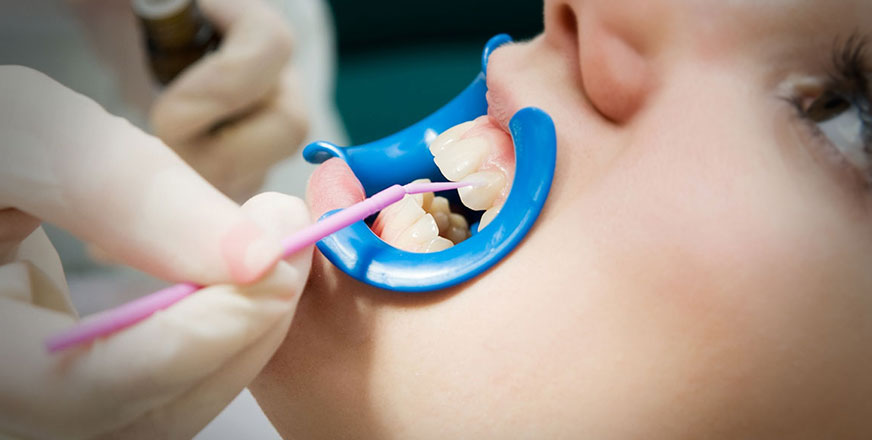
Your teeth face constant attack from food, drink, and time. You may brush and floss every day, yet small weak spots still form. Fluoride and sealants give your teeth extra protection. They shield the surface, slow decay, and help you avoid painful problems later. You deserve care that does not wait for a crisis. Instead, you can stop many cavities before they start. This blog explains 6 benefits of fluoride and sealants in preventive dentistry. You will see how they strengthen enamel, block harmful buildup, and cut future treatment costs. You will also learn why they are safe for children and adults. Many families at Sahara dental Las Vegas already use these simple treatments. You can too. With clear facts, you can choose care that protects your teeth and your peace of mind.
1. You harden weak spots before they turn into cavities
Fluoride pulls minerals back into weak tooth enamel. Soft spots that might turn into cavities can heal. You keep more of your natural tooth.
According to the Centers for Disease Control and Prevention, community water with fluoride reduces tooth decay in children and adults by about 25 percent.
Daily brushing with fluoride toothpaste and regular fluoride treatments at the dentist work together. You attack decay on the surface and in hard-to-reach grooves. This gives you a stronger shield against sugar and acid.
2. You seal deep grooves where a toothbrush cannot reach
Sealants cover the chewing surfaces of back teeth. These teeth have deep pits that collect food and germs. A toothbrush tip often cannot clean inside those grooves. Sealants fill them in. This keeps food out and makes cleaning easier.
Children get the most benefit because new molars are softer and more open to decay. Yet adults with deep grooves can gain protection as well. The process is quick and does not cause pain. The dentist cleans the tooth, prepares the surface, and then paints on the thin coating. A special light hardens it in seconds.
3. You lower your risk of fillings, crowns, and extractions
Fluoride and sealants reduce decay. Less decay means fewer fillings, crowns, and extractions over your lifetime. You avoid shots, drilling, and long visits in the chair.
The American Dental Association reports that sealants can reduce cavities in molars by up to 80 percent in the first two years after placement.
By stopping early damage, you protect the inner nerve of the tooth. You also lower your chance of root canals. This keeps your bite strong and stable as you age.
4. You save money and time over many years
Preventive care costs less than repair. A small fee for fluoride or a sealant can prevent a much higher bill for a filling or crown. You also lose less time from work or school.
Example cost and time comparison per tooth
|
Treatment type |
Average chair time |
Relative cost level |
Purpose |
|---|---|---|---|
|
Fluoride treatment |
5 to 10 minutes |
Low |
Strengthen enamel and repair weak spots |
|
Dental sealant |
10 to 20 minutes |
Low to medium |
Cover grooves and block decay on chewing surfaces |
|
Tooth filling |
30 to 60 minutes |
Medium |
Repair a cavity after decay forms |
|
Crown |
Two visits |
High |
Cover a large broken or decayed tooth |
These numbers vary by clinic and plan. Still, the pattern is clear. You pay less and sit less when you choose prevention early.
5. You give children and teens a stronger start
Fluoride and sealants are safe for children when used as directed. They protect baby teeth and new adult teeth during the years with the highest cavity risk.
You can think in three steps.
- Use fluoride toothpaste as soon as the first tooth appears. Use a tiny smear for children under three years old. Use a pea-sized amount for children three to six years old.
- Ask for professional fluoride treatments during routine checkups. These treatments support weak spots that home care misses.
- Place sealants on permanent molars soon after they come in. This often happens between ages 6 and 12.
This plan supports healthy teeth into adulthood. It also teaches children that prevention is normal care, not special care.
6. You protect adult teeth during stress, dry mouth, and aging
Adults often face new threats to teeth. Common causes include dry mouth from medicine, changes in diet, or gum recession that exposes roots. Fluoride can help harden exposed root surfaces. Sealants can protect worn chewing surfaces.
You may think these treatments are only for children. That is a myth. Many adults benefit when they add fluoride rinses, prescription-strength toothpaste, or office treatments. You can also ask about sealants on molars that still have deep grooves but no fillings.
This support is useful if you have a history of many cavities, wear a partial denture, or have braces or clear aligners. You lower the chance that hidden spots will decay under wires or plastic.
How to add fluoride and sealants to your routine
You can take three clear steps.
- Use fluoride toothpaste twice a day. Spit. Do not rinse with water right away. This keeps more fluoride on your teeth.
- Ask your dentist about your cavity risk. Share your health history, medicines, and diet. This helps match the level of fluoride and sealants to your needs.
- Plan regular visits. Fluoride and sealants work best with steady cleanings and checkups. Your team can repair worn sealants and adjust your home care plan.
Fluoride and sealants do not replace brushing and flossing. They add a strong second line of defense. With both in place, you give your mouth a better chance to stay free of decay and pain.