The Role Of Porcelain Fixed Bridges In Restoring Confidence
Missing teeth can drain your confidence. You may hide your smile, avoid photos, or feel uneasy in meetings. That quiet shame can spread into your work, your relationships, and your sense of self. Porcelain fixed bridges offer a steady way to close those gaps. They stay in your mouth. They match your natural teeth. They help you chew, speak, and smile with strength again. A dentist in Garland can use a porcelain bridge to replace one tooth or several teeth in a row. This blog explains how these bridges work, what you can expect during treatment, and how they can change your daily life. You will see how a solid smile can support your health, your social life, and your peace of mind. You deserve teeth that let you eat, talk, and laugh without fear.
What Is A Porcelain Fixed Bridge
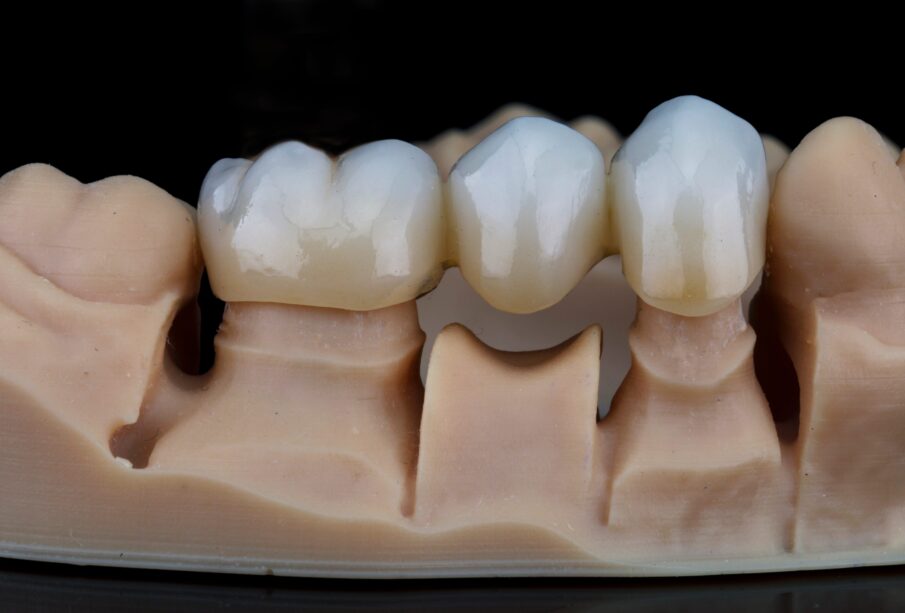
A porcelain fixed bridge is a row of false teeth that stays in your mouth. It fills a gap where one or more teeth are missing. It uses the teeth on each side of the gap for support.
The bridge has three main parts.
- Anchor teeth. Your natural teeth on each side of the gap.
- Crowns. Tooth shaped covers that fit over the anchor teeth.
- False teeth. One or more teeth joined to the crowns that fill the gap.
The bridge is cemented to your anchor teeth. You do not remove it at home. You brush it and floss around it like your other teeth.
How A Porcelain Bridge Restores Confidence
Missing teeth do more than change your smile. They affect daily life.
A porcelain bridge can help you in three key ways.
- Smile comfort. You can smile, laugh, and speak without a visible gap.
- Eating strength. You can chew many foods again on both sides of your mouth.
- Clear speech. You can form words that need front teeth with less strain.
Over time, the jawbone under a missing tooth can shrink. Nearby teeth can tilt into the empty space. The bite can change. A bridge helps keep teeth in place. That support protects your bite and can prevent extra strain on your jaw.
The National Institute of Dental and Craniofacial Research explains that tooth loss can affect chewing, speech, and social life. You can read more about tooth loss and its effects.
Porcelain Bridges Compared With Other Options
Porcelain bridges are one choice. Dentures and implants are other options. Each has strengths.
|
Treatment |
Removable Or Fixed |
Replaces |
Support Source |
Daily Cleaning |
|---|---|---|---|---|
|
Porcelain fixed bridge |
Fixed in mouth |
One or several teeth in a row |
Neighbor teeth |
Brush and floss like natural teeth |
|
Partial denture |
Removable |
Several teeth in one arch |
Gums and remaining teeth |
Remove and clean outside the mouth |
|
Dental implant with crown |
Fixed in mouth |
Single tooth or more with multiple implants |
Jawbone |
Brush and floss like natural teeth |
A bridge often suits you when the teeth next to the gap already need crowns. It can also work when implants are not a choice due to health, bone loss, or cost.
What To Expect During Treatment
The steps for a porcelain fixed bridge are clear and planned.
- Evaluation. The dentist checks your teeth, gums, and bite. X-rays and sometimes photos help with planning.
- Tooth shaping. The dentist reshapes the anchor teeth so crowns can fit over them.
- Impressions or scans. A mold or digital scan of your teeth goes to a lab. The lab makes the custom bridge.
- Temporary bridge. A short-term bridge protects your teeth and helps you eat and speak while the lab works.
- Fitting. At a later visit, the dentist places the porcelain bridge. Bite and color are checked. Then the bridge is cemented in place.
You may feel mild soreness in the gums at first. Chewing feels different for a short time. Most people adjust within days.
Caring For A Porcelain Fixed Bridge
Good care helps your bridge last. It also protects the anchor teeth and gums.
- Brush twice each day with fluoride toothpaste.
- Clean under the bridge with floss threaders or tiny brushes.
- Use a non alcohol mouth rinse if your dentist suggests it.
- Limit sugary drinks and snacks between meals.
- See your dentist for regular checks and cleanings.
The Centers for Disease Control and Prevention gives simple guidance on brushing, flossing, and routine visits.
Who Might Benefit Most
A porcelain fixed bridge may fit you if you have one or more missing teeth in a row and you want a fixed solution. It may also fit you if your nearby teeth have large fillings or are worn and can support crowns.
You might feel unsure about treatment. That is normal. You can write down your questions before your visit. You can ask about cost, visits, and how long the bridge can last. Most people find that the return of a steady smile and stronger bite is worth the effort.
Taking The Next Step
Missing teeth do not need to control your mood, your meals, or your social life. A porcelain fixed bridge can fill the empty space, support your bite, and give you a calm sense of strength when you smile.
You can talk with a dental professional you trust. You can ask if a porcelain bridge is safe for your mouth and your health. With clear facts and a simple plan, you can move from hiding your teeth to sharing your smile without worry.