What does a 200-hour yoga teacher training in thailand?
Many people who have completed a 200-hour certification don’t talk about it much. Something about that period stays with them. It changes how they move through practice, think about teaching, and often how they relate to the subject altogether. Much of that comes down to location. The setting a student chooses for this study period becomes woven into the learning in ways that are difficult to separate from the curriculum itself. Yoga Teacher Training at this level goes beyond asana. Anatomy sits alongside philosophy. Teaching methodology runs parallel to practicum work. The 200-hour structure is designed to carry a student through all of it with enough depth that each subject actually lands rather than being skimmed in the rush toward certification.
Daily schedules
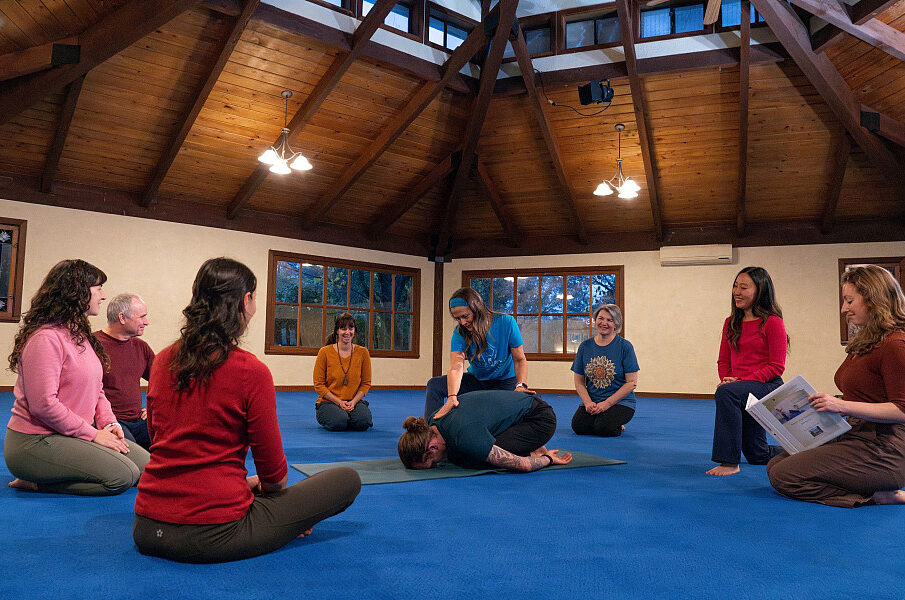
The training schedule varies each day deliberately, starting early in the morning. Pranayama or seated meditation opens the session before the primary physical practice begins. Afternoons pull the focus inward toward anatomy, classical texts, and the specific work of learning how to teach rather than practice. What distinguishes well-run programs is how early the practicum is introduced. Under direct observation, students work through cueing decisions and sequencing logic within the first week of class. Instructor feedback is consistent across the whole course, rather than being saved for the final revision.
What does the curriculum cover?
Programs follow a framework accepted by major international certification bodies, though each school shapes the instructional sequence and teaching approach within that structure. The core areas students move through during the 200 hours include:
- Yoga practice across standing, seated, backbend, inversion, and restorative categories.
- Pranayama techniques and their practical function within class settings and different student populations.
- Classical philosophy drawn from primary texts, including the Yoga Sutras and Bhagavad Gita.
- Functional anatomy covering musculoskeletal systems in direct relation to yoga movement patterns and injury awareness.
- Sequencing principles and class design are applied across varied experience levels and physical needs.
- Teaching practicum structured around peer feedback, observed sessions, and ongoing assessment from lead instructors.
Living and immersion
Thai retreat centers host these programs inside enclosed environments. There are common areas for accommodations, meals, and training facilities. That arrangement matters more than it might seem at first. When daily logistics are removed from the equation, attention stays where it belongs. What the surrounding environment contributes cannot be scheduled or formatted into a lesson plan. Temple communities are active and accessible. Forested landscapes surround many centers. A regional tradition of contemplative practice that runs centuries deep gives philosophical study a living reference point outside the classroom walls. Graduates regularly describe that cultural layer as something that influenced their teaching practice long after the course ended. This was in ways that no amount of additional reading would replicate.
Assessment and certification
Finishing the program requires a written assessment, observed teaching sessions, and consistent attendance during the full duration. Schools operating within internationally recognized alliance frameworks issue certification upon completion, allowing graduates to register as instructors and begin working professionally. Post-course support around registration is included in many programs, with schools walking students through credentialing steps before departure from the training environment. Graduates leave with a recognised qualification and a study period spent in a setting that contributed its distinct education alongside everything the curriculum delivered.