Building Good Oral Hygiene Habits: Tips From A Family Dentist
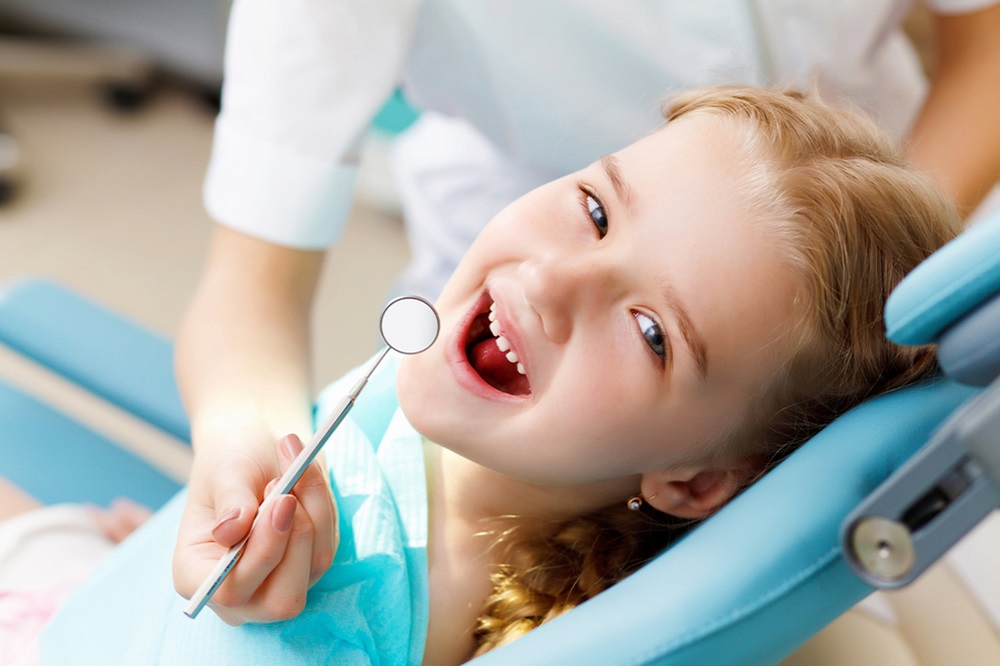
Taking care of your teeth is essential for a healthy life. As a Pasadena, TX dentist often shares, good oral hygiene habits are the foundation for a confident smile and strong teeth. You might think brushing and flossing are enough, but there’s more to consider. Start by ensuring you brush for two minutes, twice a day. Use a soft-bristle toothbrush to avoid harming your gums. Floss daily to remove food bits that brushing can’t reach. Don’t forget about your tongue. It harbors bacteria that can cause bad breath. Regular check-ups with your dentist catch problems early, saving you pain later. Share these habits with your children. Kids learn from you, and setting a good example helps them develop lifelong skills. By committing to these straightforward habits, you protect your mouth and overall health. Remember, taking small steps today leads to lasting improvements in your oral health tomorrow.
The Importance of Routine Dental Visits
Seeing your dentist regularly is crucial. The Centers for Disease Control and Prevention stresses the importance of routine dental check-ups. These visits help identify issues like cavities and gum disease before they become serious. Early detection ensures treatment is easier and less costly. Dentists also provide professional cleaning that removes tartar, a hardened plaque that is impossible to remove with regular brushing.
Choosing the Right Toothbrush and Toothpaste
A soft-bristle toothbrush is recommended to prevent damage to your gums. Electric toothbrushes are also effective in removing plaque. Choose toothpaste with fluoride, which strengthens tooth enamel. The American Dental Association’s seal on toothpaste packaging assures safety and effectiveness.
Establishing a Daily Routine
Consistency is key. Brush twice a day for two minutes. Floss once daily. Use mouthwash to reach areas your toothbrush might miss. Set a timer or play a short song to ensure you brush long enough. This routine reduces bacteria and keeps your mouth fresh.
Understanding the Impact of Diet
What you eat affects your oral health. Limit sugary snacks and drinks. Bacteria in your mouth use sugar to produce acids that erode enamel. Include crunchy fruits and vegetables like apples and carrots in your diet. They naturally clean teeth and stimulate saliva flow, which neutralizes acids.
Teaching Children Good Habits
Children learn by watching you. Brush your teeth together to show them the proper technique. Make it a fun activity. Use colorful toothbrushes or toothpaste with their favorite characters. Reward systems can also motivate children to stick to their daily routine.
| Tool | Benefits | Considerations |
|---|---|---|
| Manual Toothbrush | Control and affordability | Requires proper technique |
| Electric Toothbrush | Effective plaque removal | Higher cost |
| Floss | Removes debris between teeth | Can be difficult for some |
| Mouthwash | Reaches areas missed by brushing | Not a replacement for brushing |
How Stress Affects Oral Health
Stress impacts your oral health. It can lead to teeth grinding, known as bruxism, which wears down teeth. Stress might also cause you to neglect oral care. Practicing relaxation techniques and talking to professionals can help manage stress.
Hydration and Oral Health
Drinking water supports oral health. It helps wash away food particles and keeps your mouth hydrated. Fluoridated water strengthens teeth. Carry a water bottle to maintain hydration throughout the day.
When to See Your Dentist
- Toothache or sensitivity
- Bleeding or swollen gums
- Persistent bad breath
- Loose or chipped teeth
Address these issues promptly to prevent complications. Your dentist will provide guidance tailored to your needs, ensuring your oral health remains optimal.
By following these straightforward tips, you nurture your oral health and set an example for those around you. Remember, consistency and mindfulness in your daily routine lead to a healthier, happier smile.