More Than Skin Deep: Supporting the Mental Health of Children with Dermatological Conditions
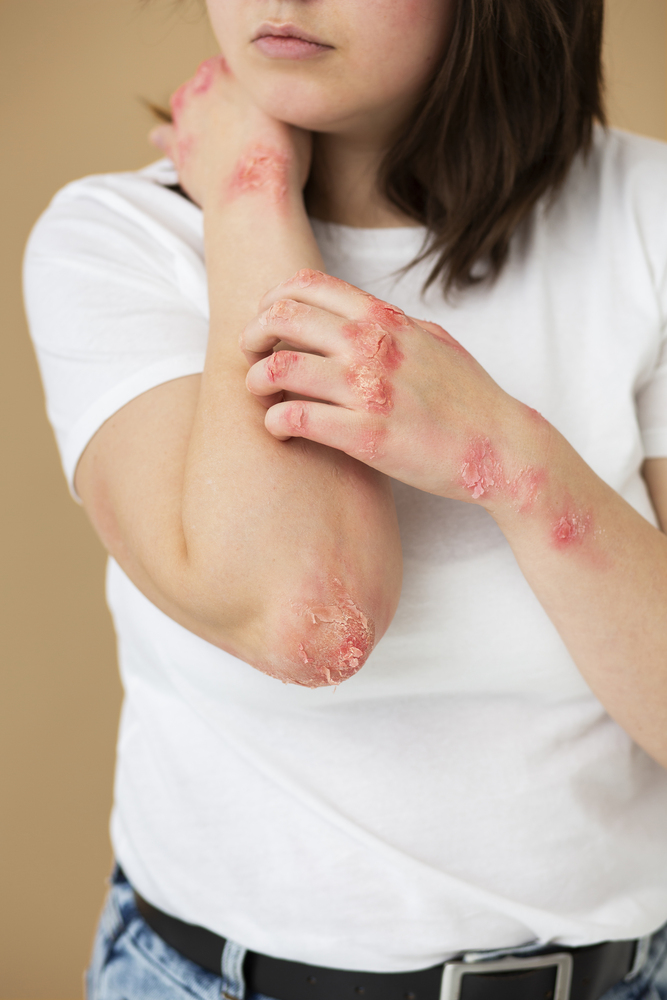
For children and adolescents, skin conditions can be far more than a physical health issue. From eczema and acne to more acute rashes and infections, the psychosocial burden of dermatological conditions is often overlooked in primary care consultations. Yet for many young people, the impact can affect self-esteem, mood, school performance, peer relationships, and family dynamics.
The Emotional Burden
Skin conditions like eczema, psoriasis, acne, and vitiligo are among the most common paediatric presentations in general practice and community pharmacy. These conditions often cause physical discomfort, but they also contribute to emotional distress. Itching, irritation, visible rashes, and skin damage can lead to poor sleep, anxiety, low self-esteem, and even depression.
Research shows that children with atopic eczema have significantly higher rates of behavioural and emotional problems, especially when symptoms are moderate to severe (Schmitt et al., 2020). The distress is not limited to the child. Parents may experience guilt, frustration, and helplessness — especially when treatments are not providing fast results.
Social Isolation and Stigma
Adolescents may be vulnerable to the social stigma of skin disease. During a developmental stage where appearance and peer approval are critical, skin conditions can feel devastating. Bullying and social withdrawal are common, especially when the condition affects visible areas such as the face, arms, or scalp.
A recent UK-based review (Lavery et al., 2021) reported that teens with chronic skin conditions often express embarrassment, avoid public or social events, and experience a negative body image. These psychosocial consequences can persist into adulthood if not acknowledged and managed early.
Supporting the Whole Patient
As healthcare professionals in primary care, we play a key role not only in diagnosing and treating the condition but also in supporting the emotional wellbeing of the patient and their family.
Here are five ways we can make a difference:
- Acknowledge the impact: Ask about how the skin condition affects daily life, confidence, and social relationships.
- Use inclusive language: Avoid diminishing phrases like “just eczema” or “mild rash” — validate the distress.
- Refer early: Consider early referral to dermatology or CAMHS when emotional distress is impacting quality of life.
- Involve parents: Educate and empower families without blame. Include them in treatment discussions and decision-making.
- Offer culturally sensitive care: Understand how skin conditions present on diverse skin tones and how cultural stigma may influence help-seeking.
Enhance Your Practice with Specialist Training
To support clinicians in delivering better dermatological and psychological care, PDUK offers three highly practical online training courses:
🟢 Childhood Eczema: Diagnosis, Treatment and Support
Gain confidence in managing eczema across all ages, understand severity scoring, treatment protocols, and how to support families through flare-ups and long-term care.
🟢 Diverse Dermatology: Identifying and Treating Acute Skin Conditions in Children and Young People
Learn to recognise and treat acute dermatological presentations in children with different skin tones — a critical skill in today’s multicultural UK context.
🟢 Paediatric Minor Illness– RCN Accredited
Broaden your clinical knowledge across a wide range of minor illnesses in children, including fever, respiratory and skin complaints — ideal for urgent care, GP, and community settings.
Conclusion
Skin conditions in children and adolescents are never just “skin deep”. By taking a holistic, empathetic, and inclusive approach to care — and seeking out specialist training — primary care professionals can dramatically improve outcomes for both physical and emotional health.
📚 References
Lavery, M., Lee, A. and Schofield, J.K., 2021. Psychosocial impact of skin disease in adolescents: A systematic review. Clinical and Experimental Dermatology, 46(2), pp.206-216. https://doi.org/10.1111/ced.14425
Schmitt, J., Apfelbacher, C., Spuls, P.I., Thomas, K.S., Simpson, E.L., and Williams, H.C., 2020. The psychosocial burden of atopic dermatitis in children and their families: A systematic review. British Journal of Dermatology, 183(6), pp.1124-1135. https://doi.org/10.1111/bjd.18960