Strongman Training and Natural Recovery: Maximizing Strength Safely
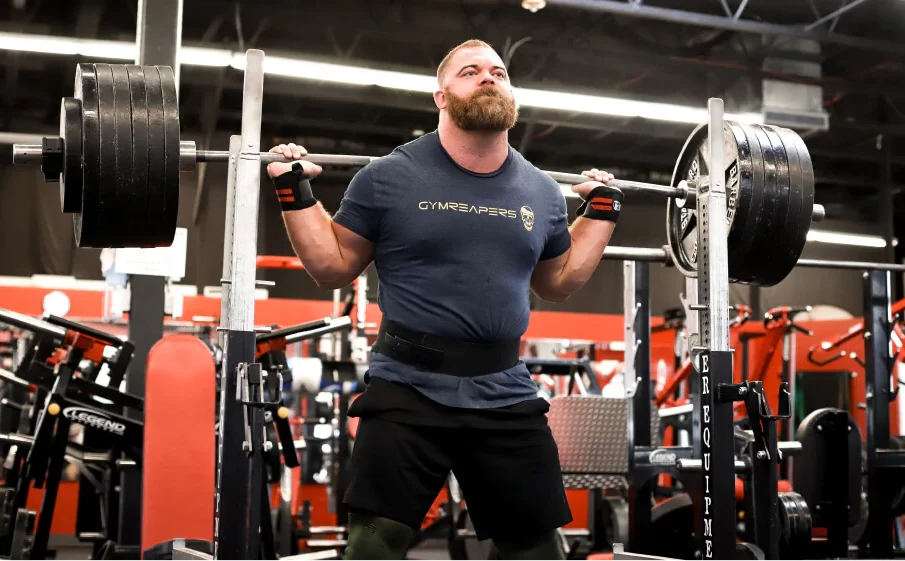
Strongman training is one of the most demanding forms of strength conditioning, combining heavy lifting, explosive power, and endurance. Whether pulling trucks, lifting atlas stones, or pressing logs, athletes put extraordinary stress on their muscles and nervous system. With such intensity, natural recovery strategies become just as important as the training itself. This article explores effective recovery through rest, sleep, balanced nutrition, supplements, and emerging research on peptides.
What is Strongman Training?
Strongman training focuses on maximal strength, power, and functional fitness. Unlike traditional bodybuilding or weightlifting, Strongman incorporates unconventional implements like stones, tires, sleds, and kegs. Workouts are high-intensity, full-body, and often anaerobic, placing high metabolic and muscular demands on the body.
Because Strongman exercises push muscles, joints, and connective tissue to their limits, proper recovery is essential for injury prevention, performance progression, and overall health.
The Role of Rest and Sleep in Recovery
Strongman athletes often train multiple times per week with heavy loads. Rest and sleep are critical components of recovery:
- Muscle repair and growth: Deep sleep stimulates growth hormone release, which helps repair microtears in muscle fibers caused by heavy lifting.
- Energy restoration: Intense lifts deplete glycogen stores, which are replenished during rest and sleep.
- Mental recovery: High-intensity training taxes the central nervous system; quality sleep restores focus and coordination.
Athletes should aim for 7–9 hours of sleep nightly and consider strategic rest days or low-intensity sessions to allow the body to recover fully.
Balanced Nutrition for Strength Recovery
Strongman athletes require a calorie-dense, nutrient-rich diet to support performance and recovery. Nutrition provides the building blocks needed for tissue repair and energy replenishment.
Protein: Supporting Muscle Repair
Protein is essential for muscle repair and strength adaptation. Key sources include:
- Meat: Beef, chicken, and fish provide complete amino acids necessary for muscle rebuilding.
- Eggs: High-quality protein with additional nutrients like choline for muscle and brain function.
- Dairy and whey protein: Rapid-digesting proteins post-workout support immediate recovery.
Carbohydrates and Energy
High-intensity Strongman events deplete glycogen stores quickly. Including complex carbohydrates from vegetables, fruits, and whole grains ensures sustained energy and supports muscle recovery.
Healthy Fats and Micronutrients
Healthy fats from nuts, seeds, and olive oil support hormone production, including testosterone, which is critical for strength and recovery. Micronutrients from fruits and vegetables aid tissue repair, reduce inflammation, and support immune function.
Supplements That Support Strongman Recovery
Certain supplements can complement diet and enhance recovery from heavy lifting:
Whey Protein
Whey protein supplies amino acids rapidly to muscles, helping accelerate muscle protein synthesis after intense training sessions.
Creatine Monohydrate
Creatine helps restore ATP energy in muscles, supporting explosive lifts and repeated efforts. It also has a role in enhancing recovery between sets and training sessions.
Hydration and Electrolytes
Strongman training often involves prolonged, high-intensity effort. Maintaining hydration and replenishing electrolytes—sodium, potassium, magnesium—is essential for muscle function and endurance.
Recovery Strategies Beyond Food and Supplements
Strength recovery is multifaceted. Additional strategies include:
- Active recovery: Light cardio, stretching, or mobility work enhances blood flow and nutrient delivery to muscles.
- Foam rolling and massage: Helps reduce soreness and improve tissue elasticity.
- Mindfulness and stress management: Reduces cortisol and supports hormonal balance, which is critical for recovery and performance.
Emerging Research: Peptides and Recovery
While rest, nutrition, and supplements remain the cornerstone of recovery, scientific studies are exploring peptides for their potential effects on tissue repair and recovery. Research-grade peptides are primarily used in laboratory settings to investigate their impact on muscle adaptation and cellular repair mechanisms.
These studies do not replace natural recovery strategies but offer insight into how certain peptides may influence recovery processes in controlled experimental environments. For readers interested in understanding how peptides are studied in research, Lab Sarms Peptides Research Overview provides a detailed guide.
Key Takeaways for Strongman Recovery
- Prioritize sleep and rest: Essential for repairing muscles, restoring energy, and supporting CNS recovery.
- Eat a balanced, nutrient-rich diet: Include protein (meat, eggs, dairy), carbohydrates (veg, fruit, grains), and healthy fats.
- Supplement strategically: Whey protein and creatine are well-supported options for recovery and performance.
- Incorporate active recovery and mobility work: Supports circulation and reduces post-training soreness.
- Stay informed about research: Experimental studies on peptides provide insight into recovery, but natural methods remain the foundation.
Strongman training demands strength, endurance, and resilience, but performance is only as good as your recovery. By combining rest, sleep, balanced nutrition, supplements, and informed insights from research, athletes can maximize results, minimize injury, and maintain long-term health. Emerging studies, including those on peptides, highlight additional ways researchers are exploring recovery—but natural recovery strategies remain the most effective and accessible tools for every Strongman athlete.