3 Myths About Root Canal Therapy Debunked
You might hear stories about root canals that make you feel fear or shame. Many of these stories are wrong. They spread worry and keep you from getting the care you need. This blog clears up three common myths about root canal therapy. You will see what really happens, why it is often the best way to save a tooth, and how modern tools make the process more controlled and calm. If you are putting off treatment, you are not alone. Pain, cost, and fear of the unknown can stop anyone. Yet waiting can cause stronger pain and tooth loss. That is preventable. If you get care through family dentistry in Wichita Falls, or anywhere else, you deserve clear facts. You also deserve simple answers that respect your time, your body, and your money. Here is what you need to know before you decide.
Myth 1: “Root canals are extremely painful”
Many people think a root canal hurts more than any other dental care. That belief keeps people in real pain from infection. The truth is different. The infection inside the tooth causes the strong pain. The root canal treats that pain.
Modern numbing medicine blocks pain during the visit. Dental teams watch your face, your words, and your body. They add more numbing if you still feel anything. You stay awake. You stay in control. You can raise your hand at any time.
The American Association of Endodontists explains that most patients feel that a root canal is no more painful than getting a filling.
After the visit, the tooth and gums can feel sore. That soreness often lasts a few days. Simple pain medicine, soft foods, and rest bring relief. The deep, sharp nerve pain from the infection is gone.
Here is a simple comparison.
Pain comparison before and after root canal therapy
|
Stage |
What you feel |
Typical pain level |
|---|---|---|
|
Before treatment |
Throbbing tooth, heat and cold pain, pain that wakes you |
High |
|
During root canal |
Numb tooth, pressure, sounds from tools |
Low |
|
First 1 to 3 days after |
Sore when chewing, mild ache |
Low to medium |
|
After healing |
No strong pain, normal use of tooth |
Very low |
You deserve freedom from the constant ache of infection. A root canal is a path to that relief.
Myth 2: “Pulling the tooth is safer and cheaper”
Some people say it is better to pull a tooth than treat it. That might sound simple. It is not. Removing a tooth can cause new problems in your mouth.
Each tooth helps you chew, speak, and keep your jaw strong. When a tooth is gone, nearby teeth can shift. Your bite can change. Food can trap in new spaces. That can cause more decay and gum problems. In time, you might need more visits, more care, and more cost.
The Mayo Clinic explains that untreated infections in teeth can spread and turn into serious health problems.
Root canal therapy keeps your natural tooth in place. That helps you chew well and protect your other teeth. It also reduces the need for bridges or implants later.
Here is a simple cost and impact comparison. These are general patterns. Actual costs vary by clinic and city.
Root canal vs tooth removal with replacement
|
Option |
Steps |
Short term cost |
Long term impact |
|---|---|---|---|
|
Root canal with crown |
Clean tooth, fill roots, place crown |
Medium |
Tooth stays. Bite stays stable. Less future work. |
|
Pull tooth only |
Remove tooth |
Low |
Gap. Teeth shift. Higher risk of more dental work. |
|
Pull tooth plus implant or bridge |
Remove tooth, then add replacement |
High |
Chewing restored. More visits. Often higher cost over time. |
If a tooth can be saved, root canal therapy often protects your mouth and your budget over time.
Myth 3: “Root canals cause illness in the rest of your body”
You might see claims online that root canals poison your body. These claims come from old stories that used weak science. They ignore modern research and modern care.
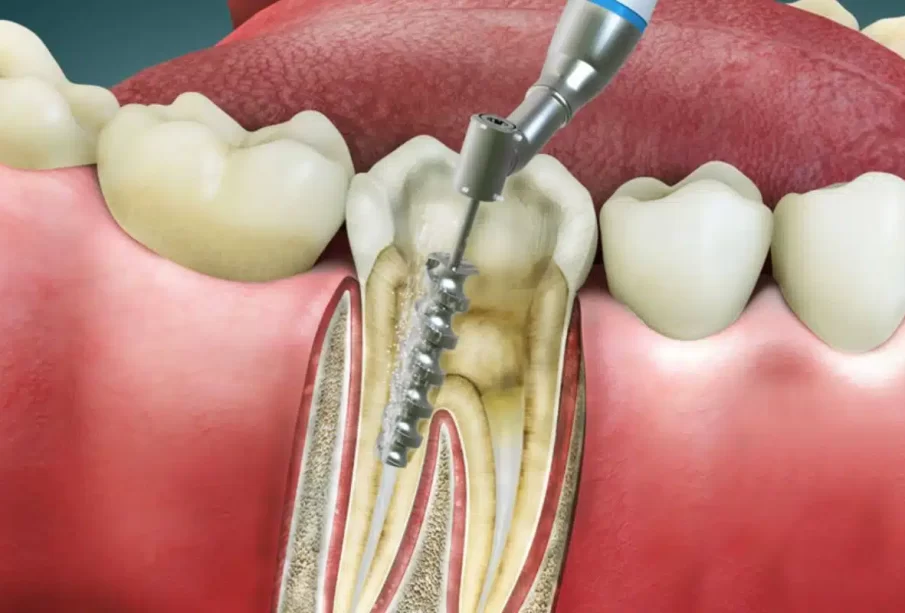
Today, dental teams use strong cleaning methods. They remove the infected tissue from inside the tooth. They clean the root space. They fill and seal it. The goal is simple. Remove infection and stop new germs from entering.
Major health groups do not support the claim that root canals cause disease in the rest of your body. There is no strong proof that a treated tooth harms your heart, joints, or immune system. In fact, leaving an infected tooth in place without care is the real risk. Infection can grow and spread.
You have the right to ask clear questions.
- What steps will you use to clean and seal my tooth
- How many of these treatments do you do each month
- What signs should I watch for at home after the visit
A good dental team will answer without pressure. They will explain your choices. They will talk through the risks of doing nothing. You deserve that respect.
How to prepare and what to expect
You can take simple steps before your root canal.
- Share your full health history and all medicines
- Ask how long the visit will take and plan time to rest after
- Eat a light meal before the visit unless told otherwise
- Plan soft foods for the first day after care
During the visit, you can expect three main steps.
- Numbing of the tooth and area
- Cleaning and shaping of the root space
- Filling the roots and sealing the top of the tooth
Later, you often return for a crown. That cover adds strength so you can chew on the tooth again.
Take back control of your oral health
Myths about root canals feed fear and delay. Delay feeds infection and tooth loss. You deserve facts, not rumors. You also deserve a calm plan that fits your life.
If your dentist says you need a root canal, ask questions. Ask about pain control. Ask about cost and payment plans. Ask what happens if you wait. Then choose the option that protects your health, your comfort, and your future.
Saving your tooth is often possible. With clear facts and a skilled team, root canal therapy can be a steady, safe step toward a pain free mouth.